Ever wonder whether a second home in Palm Beach feels like a carefree getaway, a polished social season, or a part-time residential routine with a few moving parts behind the scenes? The truth is that it is usually a mix of all three. If you are thinking about buying a second home here, it helps to understand not just the image of Palm Beach, but the real day-to-day rhythm that comes with owning and using a home on the island. Let’s dive in.
Palm Beach second-home life is seasonal
Second-home living in Palm Beach is built around periodic use, not nonstop year-round occupancy. Many owners move in and out with the traditional season, then rely on town services and home systems to keep things running smoothly while they are away.
That seasonal rhythm shows up in practical ways. The Town of Palm Beach offers home-watch service, seasonal yard-trash scheduling, and recreation passes that include seasonal users. The island’s calendar also still leans heavily into the season, with Worth Avenue events and The Society of the Four Arts programming reinforcing that Palm Beach has a distinct social cadence.
For you as a buyer, that means a second home here often works best when you treat it as a recurring lifestyle base. You are not just buying square footage. You are buying into a pattern of return visits shaped by beach days, dinners out, cultural events, and time spent enjoying the island at your own pace.
Getting to and around Palm Beach
One reason Palm Beach works so well as a second-home market is access. Palm Beach International Airport is nearby, and the town also points residents to Brightline shuttles and Tri-Rail for broader regional transportation.
At the same time, island living comes with its own rhythm. Three bridges connect Palm Beach to West Palm Beach, and those bridges operate on timed openings. In real life, many owners plan errands, dinner reservations, and evening outings with bridge timing in mind.
That does not make the area inconvenient. It simply means Palm Beach is organized. If you like a lifestyle that feels easy but still structured, this is part of what the ownership experience really looks like.
Beach time is part of the routine
For many second-home owners, the beach is not an occasional bonus. It is part of the weekly routine. The Town of Palm Beach notes that the island has 12 miles of beachfront and two public beaches, Midtown Municipal Beach and Phipps Ocean Park, with lifeguards on duty every day of the year.
As of June 2026, Phipps Ocean Park is closed through October 1, 2026 for transformation. That means public beach activity is more concentrated than usual around Midtown and other access points during that period.
If you are bringing a dog during your stay, it helps to know the local rules ahead of time. Dogs are allowed only on the Sunset to Wells section, off-leash before 9 a.m. and on-leash after 9 a.m.
The bigger takeaway is simple. Beach living in Palm Beach is very real, but it is also managed and maintained. The shoreline is a major part of the lifestyle, and the town actively oversees how residents and visitors use it.
Outdoor living goes beyond the beach
Palm Beach second-home life is also shaped by how easy it is to be outside. The nearly six-mile Lake Trail gives you a scenic route for walking, jogging, and biking along the Intracoastal, and it is one of the most practical ways to build movement into your day.
You also have a strong lineup of recreation assets on the island. These include the Par 3 Golf Course, Seaview and Phipps tennis centers, the Mandel Recreation Center, and the Town Marina.
If golf is part of your lifestyle, the wider area supports that as well. Palm Beach County promotes more than 145 courses and year-round play, which helps explain why golf remains such a strong part of the second-home appeal here.
Dining and shopping stay close at hand
A big part of Palm Beach’s appeal is that many of its best-known dining and shopping areas are concentrated and walkable. The town points residents to Royal Poinciana Way, Worth Avenue, and nearby streets for restaurants and shops.
That concentration matters when you are using the home part time. Instead of needing to build every outing around a long drive, you can often step out for coffee, dinner, shopping, or a stroll and feel connected to the island right away.
Worth Avenue also adds a seasonal community layer to the experience. Its calendar includes historical walking tours, shopping events, a holiday tree lighting, and community beach cleanups, which gives second-home owners more ways to plug into the island during their time in town.
Dining choices also support the lifestyle people picture when they think about Palm Beach. The broader area offers everything from waterfront patios to French, Italian, American small plates, and Asian-fusion restaurants, with outdoor dining framed as a year-round possibility across The Palm Beaches.
Culture is part of everyday life
In Palm Beach, culture is not something you save for special occasions. It is often woven into the regular routine of the season. That is one reason many second-home owners find the area more layered than a typical beach destination.
The Society of the Four Arts offers speakers, concerts, films, exhibitions, children’s programs, and library programming. In nearby West Palm Beach, the Norton Museum runs multiple exhibitions and hosts Art After Dark on Fridays from 5 to 10 p.m.
The Kravis Center also expands your options with performance series, free activities, and accessible parking. If you want a second home that gives you beach mornings and a concert or exhibition later the same day, Palm Beach supports that rhythm well.
Choosing the right second-home property type
Not every Palm Beach second-home purchase is trying to solve the same lifestyle need. A smart way to think about property type is to match it to how often you plan to be here and how much hands-on management you want.
Condos for lock-and-leave ease
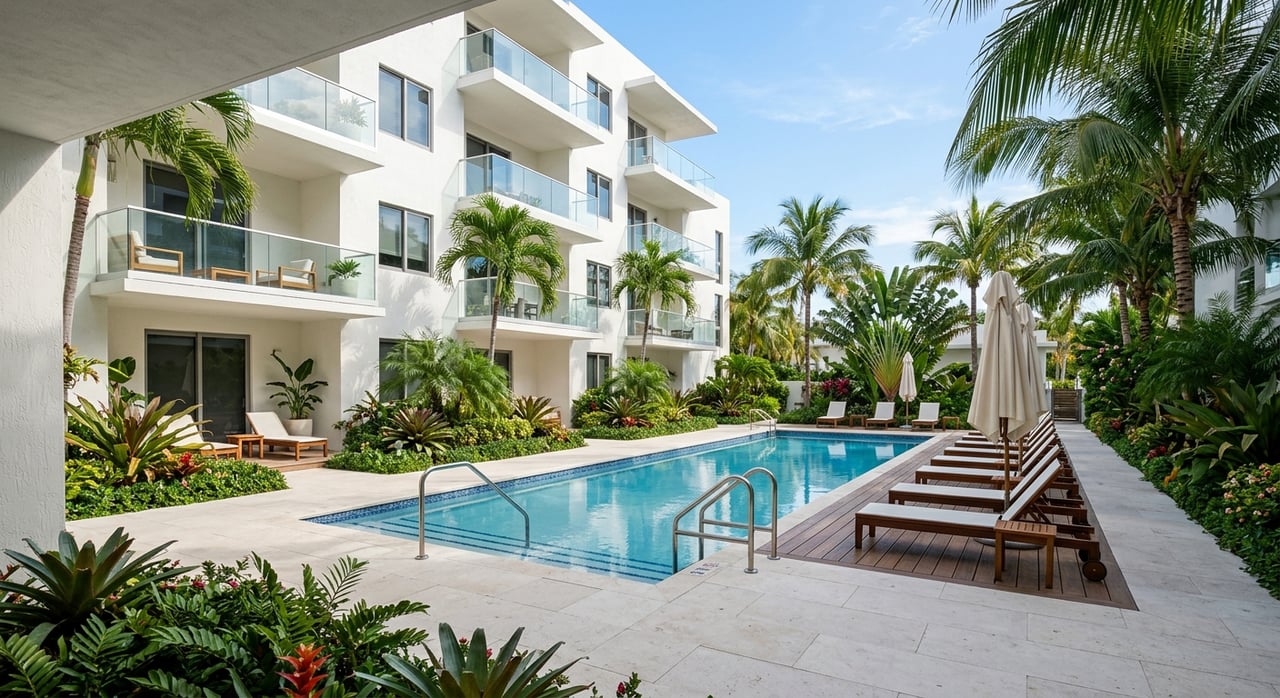
Condos often fit buyers who want the lightest-maintenance second-home setup. If your goal is to arrive, enjoy the beach, dine out, and head home without worrying as much about a full property, a condo can be a strong match.
They also tend to appeal to buyers who want a compact home base near shops, restaurants, and the beach. For many second-home owners, that simplicity is a major part of the value.
Townhomes for balance
Townhomes are often the middle ground. They can suit buyers who want more separation and privacy than a condo but do not want the responsibility that comes with managing a detached home.
If you like the idea of a part-time residence that feels more like a private retreat while still being easier to manage than a larger house, this category can make sense.
Single-family homes for a fuller island experience
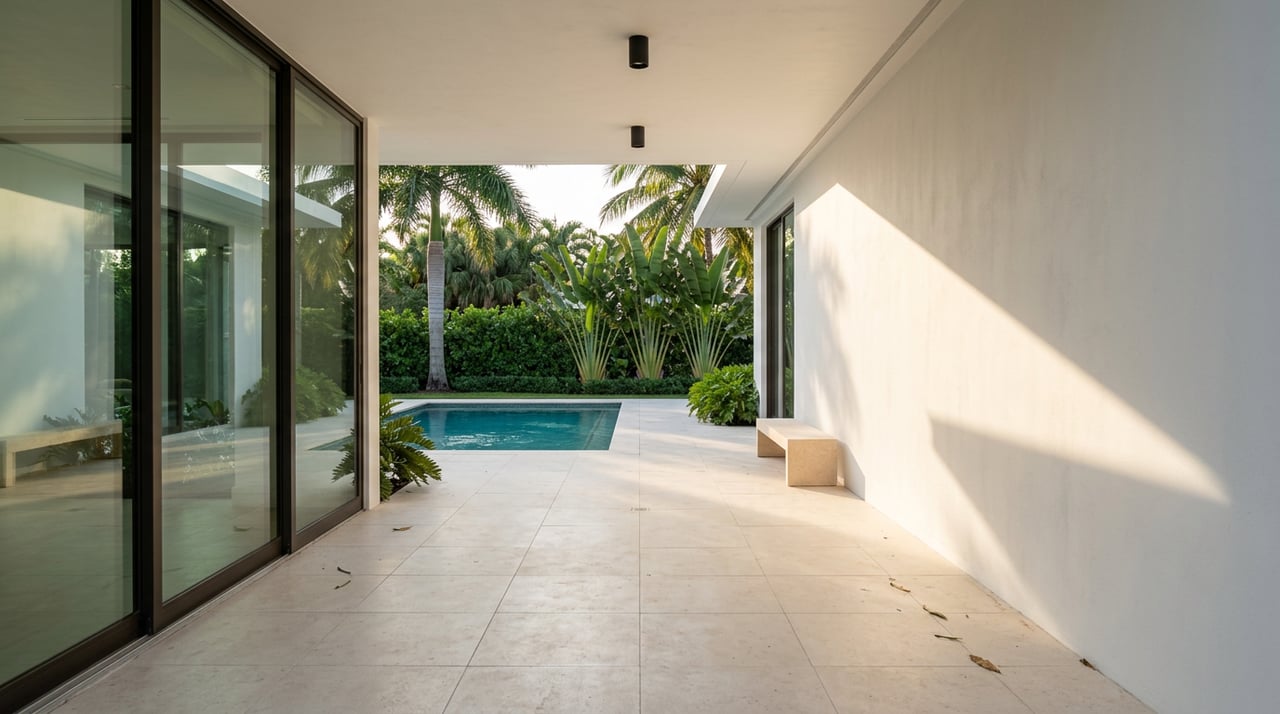
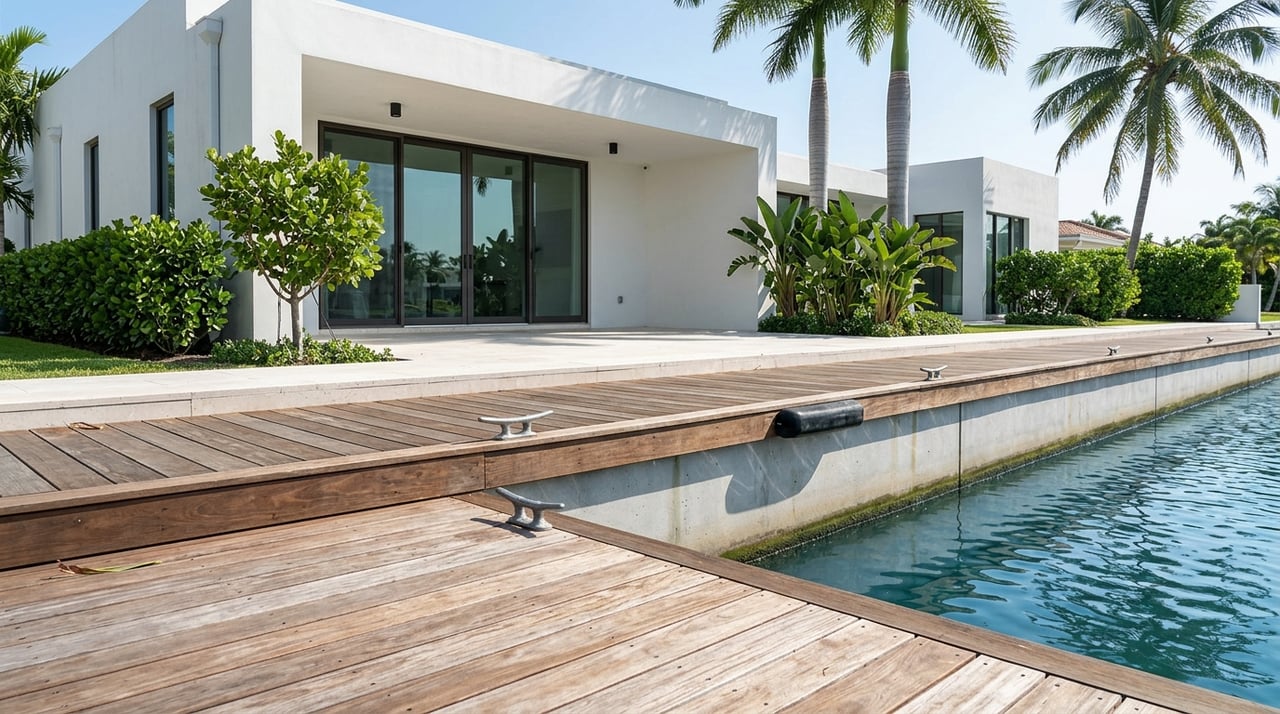
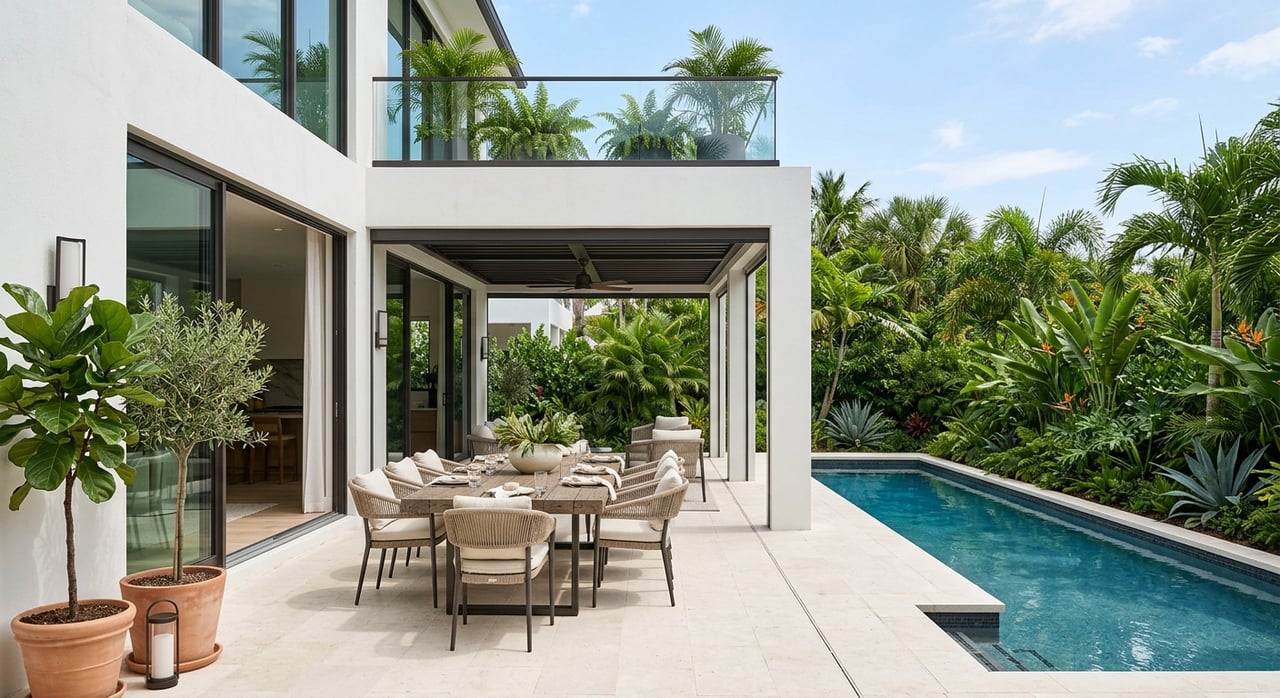
Single-family homes usually fit owners planning longer seasonal stays or those who want guest space, a pool, a yard, and indoor-outdoor entertaining areas. These homes often support a more immersive version of Palm Beach living.
They also come with more to manage. The town has historic-preservation oversight, zoning standards, public beach rules, and parking and permit systems that shape daily ownership. In other words, a house here is not just a larger property. It is often a more involved ownership experience.
What buyers notice after the honeymoon phase
Palm Beach is beautiful, but the ownership experience is also highly organized. That tends to become clearer after the first wave of excitement wears off.
The town provides home-watch service, requires alarm registration in many situations, offers garbage and recycling collection, and uses seasonal rules for yard trash placement. It also uses ParkMobile and permit systems in several areas, which matters when you are not living in the property full time.
None of this is a drawback on its own. In many ways, it is part of what helps the island function so well. But it does mean that second-home ownership here works best when you appreciate structure along with luxury.
Coastal upkeep is part of the lifestyle
Palm Beach’s coastal setting is one of its biggest draws, and it also requires ongoing care. The town actively coordinates coastal-protection work, and the transformation of Phipps Ocean Park is one visible example of how the island manages and maintains its shoreline over time.
For you as a buyer, that is an important mindset shift. The beach is not just scenery. It is part of a managed coastal environment that is maintained, scheduled, and occasionally reworked.
That reality does not take away from the appeal. If anything, it helps explain why Palm Beach continues to feel polished and intentional. The island’s beauty is supported by systems, planning, and ongoing stewardship.
What second-home living in Palm Beach really feels like
At its best, Palm Beach second-home living feels less like total escape and more like having an elegant, easy base for a recurring lifestyle. You come for beach time, dinners, golf, walks on the Lake Trail, and cultural outings, then leave knowing the town has systems in place that support part-time ownership.
That is why the right purchase here is often less about buying the biggest home and more about buying the right fit for how you actually plan to live. If your goal is a second home that feels like a private resort town but functions like a closely managed residential community, Palm Beach offers a very specific and very appealing version of that experience.
If you are exploring Palm Beach condos, townhomes, or single-family homes for a second-home lifestyle, working with a local advisor can help you match the property to the rhythm you actually want. For thoughtful guidance across the Palm Beach corridor, connect with Jamie Moody.
FAQs
What is second-home living in Palm Beach like during the year?
- Palm Beach second-home living usually follows a seasonal rhythm, with many owners using their homes part time and relying on town services like home-watch options, seasonal yard-trash scheduling, and recreation access while they come and go.
What should buyers know about getting around Palm Beach?
- Palm Beach has convenient regional access through Palm Beach International Airport, Brightline shuttle connections, and Tri-Rail, but daily plans often need to account for the timed openings of the three bridges connecting the island to West Palm Beach.
What beaches can second-home owners use in Palm Beach?
- The town notes 12 miles of beachfront and two public beaches, Midtown Municipal Beach and Phipps Ocean Park, though Phipps Ocean Park is closed through October 1, 2026 for transformation.
What outdoor activities are common for Palm Beach second-home owners?
- Many owners build their routine around the Lake Trail, golf, tennis, boating, and beach time, with on-island options including the Par 3 Golf Course, Seaview and Phipps tennis centers, the Mandel Recreation Center, and the Town Marina.
What property type works best for a Palm Beach second home?
- Condos often suit lock-and-leave buyers, townhomes can offer a balance of privacy and easier upkeep, and single-family homes usually fit longer stays, guest space, and a more hands-on ownership style.
What practical ownership details matter in Palm Beach?
- Buyers should expect a structured ownership experience shaped by services and rules such as home-watch options, alarm registration in many cases, garbage and recycling collection, yard-trash schedules, and parking or permit systems in some areas.