If you are drawn to Coral Gables for its timeless streetscapes and distinctive architecture, you are not alone. Buying a historic-style home here can feel exciting, but it can also raise practical questions about design rules, renovations, inspections, and long-term upkeep. The good news is that with the right local guidance, you can enjoy the charm of these homes while making smart, informed decisions. Let’s dive in.
Why Coral Gables homes stand out
Coral Gables was planned as a City Beautiful and Garden City community, and that planning still shapes what you see today. The city says more than 1,000 properties are on its Register of Historic Places, which helps explain why so many homes feel architecturally consistent and visually memorable.
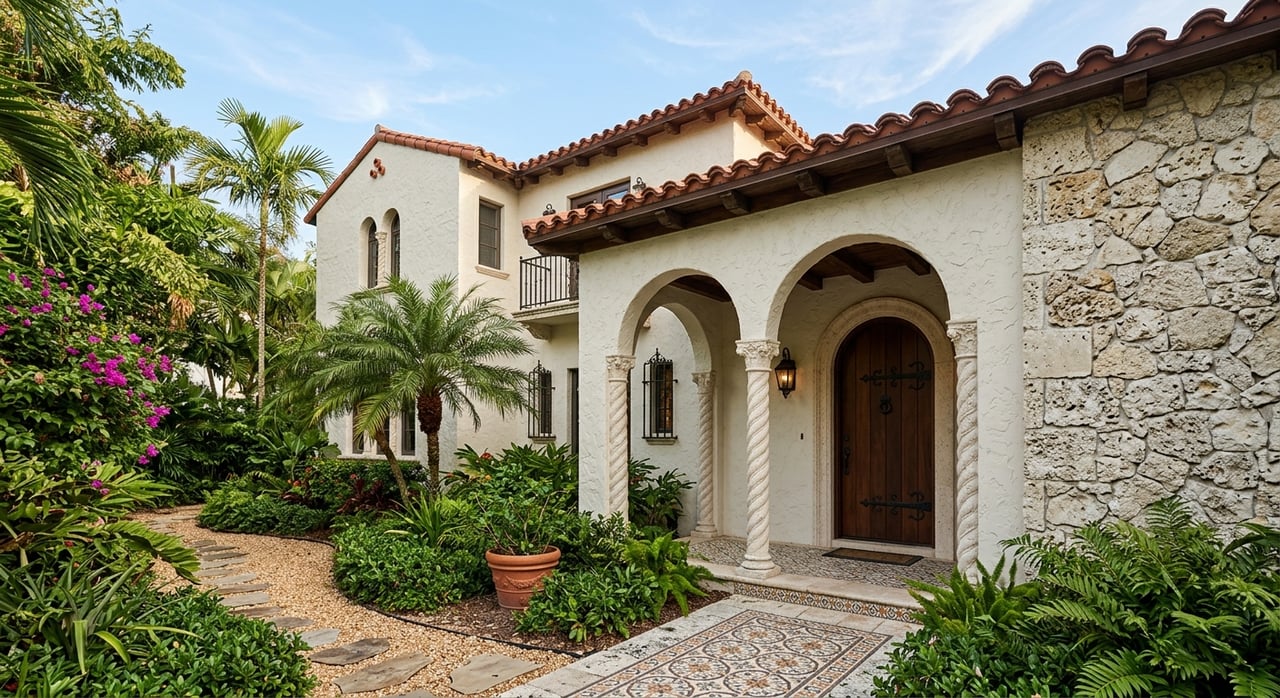
You will often notice a very specific design language in Coral Gables. Common features include Mediterranean Revival and Spanish Revival influences, native oolitic limestone, coral rock, barrel tile roofs, arcaded loggias, courtyards, wrought iron, terra cotta, exposed rafter tails, and decorative chimneys.
The city also describes Coral Gables Mediterranean Architecture as part of George Merrick’s original vision. For you as a buyer, that means many homes are not just “old” or “charming.” They are part of a recognizable local architectural identity.
Know the difference in property status
One of the most important steps is understanding what kind of home you are actually buying. A home can look historic without being formally designated, and that difference matters when you start thinking about changes or repairs.
In Coral Gables, there are three categories you should separate clearly:
- A home that is simply historic-style
- A locally designated historic property or a home in a local historic district
- A home listed in the National Register of Historic Places
These categories do not work the same way. According to the city, National Register listing by itself does not place federal restrictions on a private owner unless federal assistance is involved.
Local designation is where day-to-day renovation rules usually become more relevant. If a home is locally designated or located in a local historic district, certain exterior changes may need city review before work begins.
Check designation before you go under contract
Before you move forward, verify whether the home is locally designated, part of a historic district, or simply designed in a historic style. This step can save you time, money, and frustration later, especially if you already know you want to update the exterior.
You should also ask for the property’s paper trail. Important items to request include:
- Prior Certificates of Appropriateness
- Past building permits
- Board of Architects recommendations
- Any historical significance determination
The city notes that a historical significance determination may also help indicate whether a demolition permit could be granted. Even if you have no plans to tear anything down, this information can help you better understand the home’s status and future flexibility.
Understand the renovation approval process
If you are buying a locally designated property or one in a historic district, exterior work that requires a building permit is reviewed by Historic Preservation staff. That review process is a key part of owning the home responsibly.
Some smaller projects may be more straightforward. The city says that minor items such as re-roofing, painting, or repairs in kind can often be handled administratively.
Larger changes are more involved. Additions, demolition, and major exterior remodels are typically referred to the Historic Preservation Board for a public hearing.
What a Certificate of Appropriateness does
A Certificate of Appropriateness, often called a COA, is required before most exterior work starts. It must be in place before a building permit can be issued and before a variance can be granted.
Interior remodeling is generally not reviewed unless ad valorem tax relief is being requested for interior impact. For many buyers, that means interior updates may offer more flexibility than exterior redesigns.
What major exterior changes may require
If you are planning a substantial exterior change, expect a more formal submission process. The city notes that a Board of Architects recommendation must be obtained before submitting a COA application.
The COA application can also require supporting documents such as:
- Site plans
- Floor plans
- Elevations
- Photos
- Surveys
- Color samples
- Material samples
This is one reason it helps to think through your renovation goals early. If your vision includes an addition, major façade work, or significant exterior redesign, you will want to understand the compatibility review process before closing.
Expect compatibility, not automatic approval
In Coral Gables, major exterior changes are not treated as an automatic right to build. If you are considering an addition or substantial alteration, the city recommends a preapplication conference with staff.
That matters because the focus is usually on compatibility with the home and its setting. In practical terms, a design that respects the building’s massing, scale, size, and architectural character will generally align better with preservation expectations than one that ignores those features.
For buyers who want modern function without losing period appeal, this can actually be helpful. It creates a framework for updates that feel intentional rather than out of place.
Pay close attention during inspections
A historic-style home can be beautiful, but beauty should never replace due diligence. Older homes often need a closer look at condition, especially in South Florida’s heat, humidity, and rain.
A Florida-licensed home inspector is an important part of your team. You may also need specialized inspections depending on the property’s age, materials, and visible condition.
WDO inspections are separate
In Florida, a WDO inspection is separate from a standard home inspection. WDO stands for wood-destroying organisms, and this inspection is handled as a specialized service.
If a fee is charged or a written report is requested during a real estate transaction, Florida requires the findings to be reported on FDACS Form 13645. The inspection must cover visible and accessible organisms and damage.
Termites deserve extra attention
According to UF/IFAS and FDACS, termite types in Florida include drywood, dampwood, subterranean, and conehead termites. For older homes, drywood termites can be especially relevant because they often affect older wood features.
Dampwood termites are commonly associated with moisture and decaying wood. In a home with original trim, roof framing, wood windows, or decorative wood details, moisture and pest history are worth reviewing carefully.
Moisture issues can affect more than finishes
Moisture control is one of the biggest issues to watch in older homes. The National Park Service warns that failed downspouts, poor drainage, and rising damp can saturate foundations and damage masonry and nearby wood.
That means you should look beyond cosmetic condition. Drainage patterns, ventilation, roof runoff, and signs of past water intrusion can all tell you a lot about how the home has been maintained.
Focus on character-defining features
Not every old feature carries the same weight. In homes with architectural significance, some exterior elements play a larger role in defining the property’s look and feel.
Ask the seller or listing team which features are considered character-defining. Also ask whether past repairs were completed in kind, meaning the work matched the original material or appearance rather than replacing it with something noticeably different.
In Coral Gables, features such as clay tile roofs, stucco, wood windows, ironwork, and masonry details may be especially important. Understanding what is original, what has been repaired, and what has been altered can help you budget more accurately and plan renovations with fewer surprises.
Renovate thoughtfully without losing charm
Many buyers want the best of both worlds: historic character and modern comfort. That is usually possible, but the planning approach matters.
The National Park Service’s rehabilitation standards favor retaining historic character, repairing deteriorated features when possible, and making additions compatible with the original building. This is especially relevant for Coral Gables homes with historic stucco, clay tile roofs, and older wood windows.
A case-by-case strategy often works best. If you are hoping to modernize kitchens, baths, systems, or layout while keeping the home’s architectural identity, it can make sense to work with qualified historic preservation professionals during planning.
Know about possible tax incentives
Preservation is not only about rules. In some cases, there may also be a financial upside.
The city says that if approved improvements are made through the COA process, the owner may apply for local tax incentives that can freeze the ad valorem value of the improvements for 10 years. The city also states that designation alone does not increase assessed property taxes solely because of historic status.
This does not mean every project qualifies automatically. It does mean that if you are buying a designated property and planning approved work, it is worth asking how the incentive process may apply to your situation.
Build the right local team
Buying a historic-style home in Coral Gables is often smoother when you line up the right professionals early. Because these homes can involve design review, specialized inspections, and material-specific maintenance, local experience matters.
Useful contacts may include:
- The City of Coral Gables Historical Resources and Cultural Arts Department
- Historic Preservation staff
- The Historic Preservation Board
- A Florida-licensed home inspector
- A licensed WDO inspector or pest control company
The city says Historic Preservation staff can review plan sets and historic determination letters, with public staff hours on Mondays and Wednesdays from 9 a.m. to 12 p.m. The Historic Preservation Board currently meets every third Wednesday at 4:00 p.m.
A smart buyer’s checklist
Before you buy, keep this short checklist in mind:
- Confirm whether the home is historic-style, locally designated, or in a historic district
- Request prior COAs, permits, and Board of Architects recommendations
- Ask for any historical significance determination
- Review exterior features that may be character-defining
- Schedule a Florida-licensed home inspection
- Consider a separate WDO inspection
- Look closely at drainage, moisture, masonry, roofing, and wood features
- If planning major exterior changes, discuss a preapplication conference with city staff
- Budget for repairs that match the home’s architectural character
A home like this can be deeply rewarding to own. It just requires clear expectations, a careful review process, and a plan that respects both the property and the city’s design standards.
If you are considering a historic-style home in Coral Gables and want a thoughtful, high-touch buying experience, Jamie Moody can help you navigate the details with clarity and confidence.
FAQs
What should you verify before buying a historic-style home in Coral Gables?
- You should confirm whether the home is simply historic-style, locally designated, or located in a local historic district, and request prior COAs, permits, Board of Architects recommendations, and any historical significance determination.
What exterior work may need approval for a Coral Gables historic property?
- For a locally designated property or a home in a historic district, most exterior work requiring a building permit needs a Certificate of Appropriateness before work starts, while larger changes like additions or demolition may go before the Historic Preservation Board.
What is a Certificate of Appropriateness in Coral Gables?
- A Certificate of Appropriateness is city approval required before most exterior work begins on a designated historic property or property in a historic district, and it must be approved before a building permit can be issued.
What inspections matter when buying an older Coral Gables home?
- A Florida-licensed home inspection is important, and you may also want a separate WDO inspection because wood-destroying organism inspections are specialized services in Florida.
Why is moisture such a big issue in older historic-style homes?
- Moisture can damage foundations, masonry, and adjacent wood, especially when drainage, downspouts, or ventilation are not working properly, so it is important to look beyond cosmetic finishes.
Can buying a designated historic home in Coral Gables affect property taxes?
- The city states that historic designation alone does not increase assessed property taxes solely because of historic status, and approved improvements made through the COA process may qualify for a local tax incentive that freezes the ad valorem value of the improvements for 10 years.
Who can help you plan changes to a historic-style home in Coral Gables?
- Helpful resources can include Coral Gables Historic Preservation staff, the Historical Resources and Cultural Arts Department, the Historic Preservation Board, a Florida-licensed home inspector, and a licensed WDO inspector or pest control company.