What does it really feel like to live along the Fort Lauderdale Intracoastal Waterway? For many buyers, the draw starts with the view, but daily life here is about much more than watching boats pass by. If you are considering a move to this part of Broward County, understanding the lifestyle, housing mix, and day-to-day practical details can help you decide whether it fits the way you want to live. Let’s dive in.
Why the Intracoastal stands out
Fort Lauderdale’s identity is deeply tied to the water. The city says it has 165 miles of scenic inland waterways, and that network shapes everything from how people spend their weekends to where they dine, stroll, and gather.
Along the Intracoastal and nearby New River, you will find marinas, waterfront restaurants, nightspots, public docking, and boat-launch sites. That water-centered setup helps explain why boating feels so visible in everyday life here, even if you are not a boat owner yourself.
The city is also home to the Fort Lauderdale International Boat Show, officially described as the largest in-water boat show in the world. That event reflects the scale of the marine culture, but it also reinforces something buyers notice quickly: waterfront living here is not a niche feature. It is part of the city’s rhythm.
Daily life near the water
Living near the Intracoastal often means being close to some of Fort Lauderdale’s best-known activity hubs. The city describes Riverwalk as the cornerstone of its arts, science, cultural, and historic district, while Las Olas Boulevard is described as the centerpiece of fashion, fine dining, and entertainment.
For you as a resident, that can translate into a lifestyle with easy access to scenic walks, dining, shopping, and waterfront views in the same outing. Instead of planning your day around one destination, you often have several options within the same general corridor.
This is one reason the area appeals to both full-time residents and second-home buyers. You get the visual appeal of the water, but you also get a strong connection to the city’s social and cultural core.
Getting around by water and on foot
One of the most distinctive parts of living along the Fort Lauderdale Intracoastal Waterway is that transportation can feel like part of the experience. Water Taxi serves more than 30 stops across the region, including 10 in Fort Lauderdale, and its main Fort Lauderdale loop takes about three hours.
That matters because the route is not just for sightseeing. It connects riders to dining, cocktails, shopping, parks, and beach-oriented destinations, making it a real lifestyle feature for residents and visitors alike.
The city also offers the free LauderGO! Water Trolley on the New River in partnership with Water Taxi and Riverwalk Fort Lauderdale. It is a useful reminder that in this part of the city, water transportation is woven into everyday movement, not treated as a novelty.
That said, timing can shift. Water Taxi notes that weather, marine traffic, and New River bridge operations can affect service, and the city notes that bridge activity can affect Water Trolley timing as well. Waterfront life is beautiful, but it is also dynamic.
Walkability around Las Olas and Riverwalk
If you want a waterfront setting without depending on a car for every outing, Las Olas and Riverwalk are the clearest anchors. Riverwalk Fort Lauderdale oversees a 2.5-mile linear walk along the New River plus surrounding parks, creating a scenic pedestrian connection between downtown destinations.
The city is also investing in the long-term comfort of the area. In 2026, it approved the Las Olas Boulevard Mobility Improvements Project, which focuses on wider sidewalks, safer crossings, more shade, and a tree-lined shopping district.
For buyers, that signals something important. The appeal of this area is not only about waterfront views today. It is also about ongoing improvements that support a more comfortable, connected street experience over time.
You do not need a boat to enjoy it
A common question from buyers is simple: do you need to own a boat to enjoy living here? The short answer is no.
Because Water Taxi and the free Water Trolley connect so many stops tied to dining, parks, and the beach, the waterfront lifestyle is accessible even if you never step onto your own dock. You can still enjoy the movement, scenery, and convenience that come with living near the water.
Beach access is also part of the appeal for many residents. Water Taxi connects to beach-adjacent stops including Marina Village & Bahia Mar, Fort Lauderdale Beach, and Hugh Taylor Birch State Park, adding another layer to what daily life can look like.
Housing options are more varied than many buyers expect
One of the biggest misconceptions about the Intracoastal area is that it offers one type of home. In reality, Fort Lauderdale’s neighborhood roster shows a much broader mix.
Recognized communities include condo associations, townhouse groups, and homeowners associations. Examples listed by the city include Bayview Colony Club Condominium, Palm Aire Village 1 Condominium Association, City View Townhomes Association, Montego Bay Townhouse HOA, Las Olas Isles Homeowners Association, Lauderdale Harbours Association, Lauderdale Isles Civic Improvement Association, and Sunrise Key Neighborhood Improvement District.
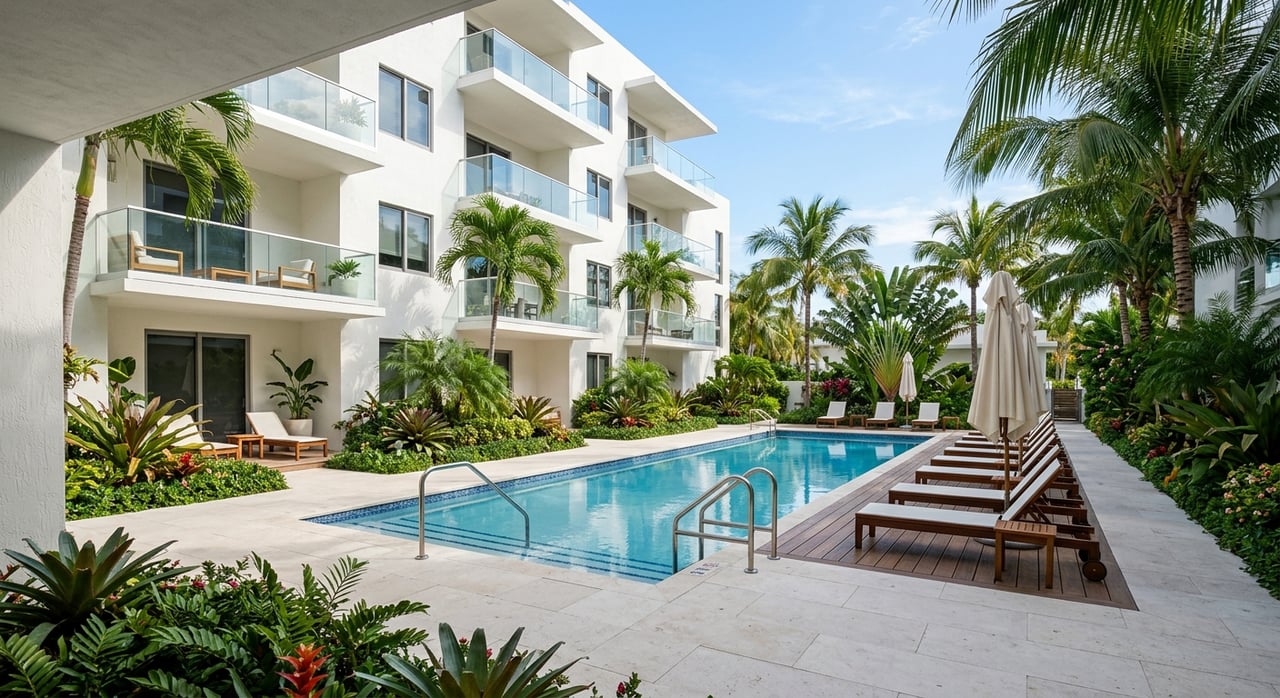
That variety suggests you can find different ownership styles and living experiences in and around the waterfront market. Depending on the area, you may encounter a vertical condo lifestyle, a townhouse setting, or detached homes in established residential neighborhoods.
For buyers at the luxury end of the market, that range can be especially important. It creates options for those seeking a lock-and-leave condo, a polished second-home setup, or a larger single-family waterfront property with more privacy and space.
Historic character meets modern waterfront living
Rio Vista offers a good example of how layered this market can feel. The city identifies it as one of Fort Lauderdale’s oldest neighborhoods, with boundaries at US-1, the Intracoastal Waterway, the New River, and SE 12th Street.
The city’s architectural survey documents historic residential houses and waterfront parcels in the neighborhood. In practical terms, that means some Intracoastal-adjacent areas feel rooted in older residential character, while others feel more modern, vertical, and amenity-driven.
This contrast is part of what makes the broader waterfront market so interesting. Two homes may both offer proximity to the water, yet the surrounding experience can feel very different depending on the block, building type, and connection to nearby activity centers.
Practical realities of waterfront living
The views are a major draw, but smart buyers also pay attention to how waterfront living works day to day. In Fort Lauderdale, that means understanding that conditions, maintenance, and timing matter.
The city operates four complimentary vessel pump-out locations and says its marine facilities are designated Clean Marinas. It also publishes waterway-quality and beach-condition updates, and notes that local waterway sites are sampled weekly on behalf of the city, with Broward County conducting additional regional monitoring.
Even if you are not a boater, those details matter because they reflect the city’s active role in managing waterfront infrastructure and conditions. If you are considering a home near the Intracoastal, this kind of information can help you think more clearly about daily operations, maintenance awareness, and the rhythms of the area.
It also reinforces an important mindset for buyers. Waterfront living is not just about aesthetics. It is about understanding a setting that changes with weather, traffic on the water, and local operations.
Who this lifestyle may suit best
Living along the Fort Lauderdale Intracoastal Waterway can appeal to several types of buyers. If you value access to dining, cultural destinations, scenic movement, and a strong connection to the water, the area offers a compelling mix.
It may also suit second-home buyers who want a South Florida property that feels vibrant and connected rather than isolated. And for buyers looking at premium condos or waterfront homes, the variety of neighborhood patterns can open up more choices than you might expect at first glance.
The key is matching the property to your version of the waterfront lifestyle. Some buyers want to be close to Las Olas and Riverwalk. Others prioritize a more established residential feel. Both can exist within the broader Intracoastal story.
If you are exploring waterfront homes or luxury condos in Broward, having a local advisor who understands both the lifestyle and the housing mix can make your search much more focused. For personalized guidance on Fort Lauderdale waterfront living, connect with Jamie Moody.
FAQs
What is daily life like along the Fort Lauderdale Intracoastal Waterway?
- Daily life often includes close access to marinas, waterfront dining, Riverwalk, Las Olas Boulevard, and scenic views, with water playing a visible role in the city’s overall lifestyle.
Can you enjoy the Fort Lauderdale Intracoastal without owning a boat?
- Yes. Water Taxi and the free LauderGO! Water Trolley connect many dining, park, and beach-oriented destinations, so the area is not limited to boat owners.
Is the Fort Lauderdale Intracoastal area walkable?
- In the Las Olas and Riverwalk core, yes. Riverwalk provides a 2.5-mile pedestrian route, and the city has approved Las Olas improvements focused on sidewalks, crossings, and shade.
What types of homes are found near the Fort Lauderdale Intracoastal Waterway?
- The area includes a mix of condos, townhomes, and detached-home neighborhoods, rather than one uniform housing type.
What should buyers know about practical waterfront living in Fort Lauderdale?
- Buyers should know that weather, marine traffic, bridge operations, and local water conditions can affect day-to-day timing and routines in waterfront areas.
Does the Fort Lauderdale Intracoastal offer beach access?
- Often yes. Water Taxi connects the area to beach-adjacent stops including Marina Village & Bahia Mar, Fort Lauderdale Beach, and Hugh Taylor Birch State Park.