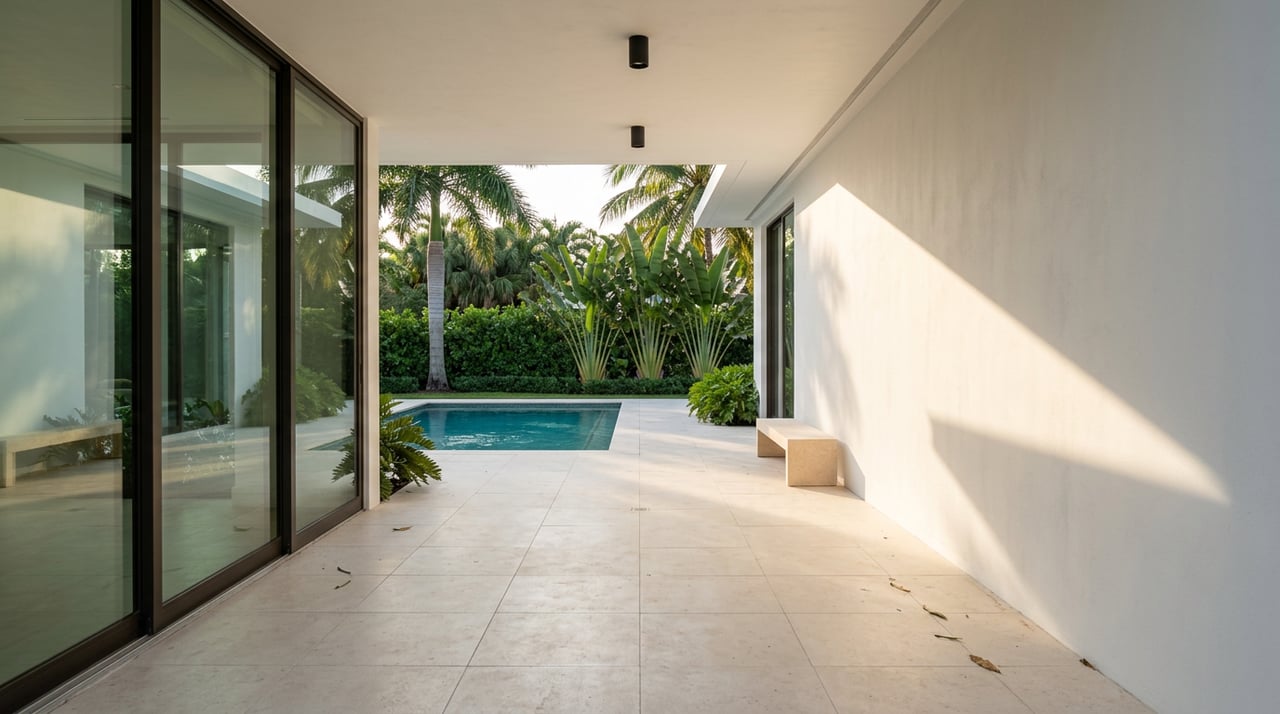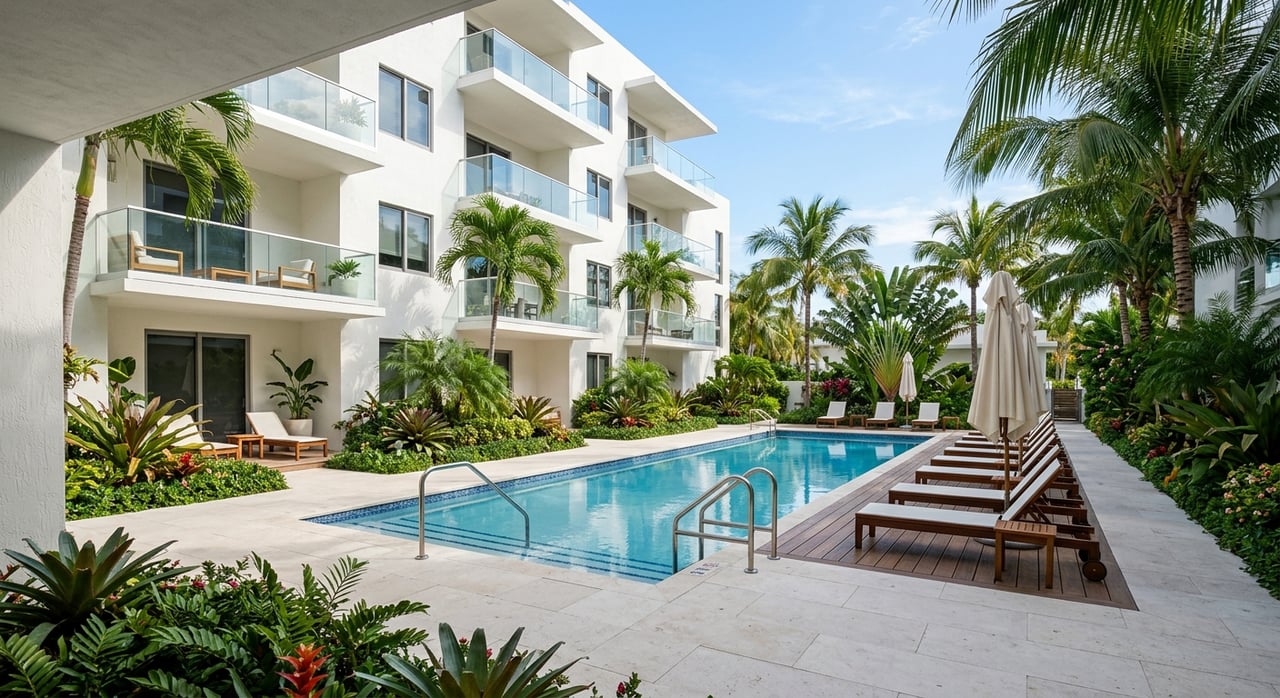
Planning a move to Palmetto Bay and want it to feel calm and organized instead of rushed and stressful? You are not alone. Many families and professionals choose the Village of Palmetto Bay for its tree‑lined neighborhoods, parks, and access to Biscayne Bay. With the right 60‑day plan, you can line up utilities, permits, movers, and insurance while keeping your closing or lease date on track. Use this step‑by‑step timeline to simplify your relocation and settle in with confidence. Let’s dive in.
Why Palmetto Bay works for your lifestyle
Palmetto Bay offers a quieter suburban setting within Miami‑Dade County. You will find single‑family homes, some townhomes and condos, and pockets of waterfront living along the bay and canals. Many people choose the area for outdoor recreation and a residential feel that still connects to greater Miami.
Most residents commute by car using US‑1 and nearby arterials. Public transit via Miami‑Dade Transit buses links to Metrorail and regional hubs. Actual drive times vary by time of day, so build flexibility into your routine while you learn local traffic patterns.
Your 60‑day Palmetto Bay move plan
This plan breaks your move into four windows. Each section includes actions for buyers, sellers, and renters so you can tailor it to your situation.
Days 60–45: Early preparation and research
Buyers:
- Finalize financing: review rate‑lock strategy with your lender and confirm remaining conditions and your target closing timeline.
- Schedule inspections as soon as your contract is signed. Include general home, roof, HVAC, and wood‑destroying organism inspections. Waterfront homes often benefit from a seawall or dock evaluation.
- Request seller disclosures, the property survey, and any HOA or condo documents you need such as budgets, meeting minutes, and rules.
- Start utility research: electricity, water and sewer, trash and recycling, and internet providers. Note any deposits or activation windows so your services start on day one.
Sellers:
- Engage your listing agent and set your timeline. Consider a pre‑listing inspection to surface any roof, HVAC, or termite items.
- Order the HOA or condo resale package or estoppel letter early. Prepare the required seller disclosure forms.
- Begin decluttering and schedule a deep clean and repairs that will help your photos and showings stand out.
- If staging is part of your strategy, reserve stagers and photography dates now.
Renters:
- Confirm your lease start date. If your dates do not line up, arrange short‑term storage or temporary lodging.
- Provide your landlord with move‑in dates and review building rules such as elevator reservations or truck access windows.
Days 44–30: Confirm providers and logistics
All:
- Book a reputable moving company. Reserve 4 to 6 weeks in advance, longer for summer or hurricane season. Get at least three written estimates, verify registration for interstate moves, check reviews and complaints, and confirm insurance and liability coverage.
- If you plan a DIY move, reserve a truck and equipment. Ask about any curbside parking permits needed for loading.
- Plan parking and right‑of‑way. Contact the Village of Palmetto Bay Public Works or your property manager about temporary permits for moving trucks or any rules on blocking sidewalks or streets.
- File your USPS change of address about 2 to 3 weeks before the move. Make a checklist for banks, subscriptions, employer, and DMV updates if you are relocating.
Buyers:
- Coordinate closing with your title company or closing agent. Confirm your homeowner’s insurance binder is effective by closing.
- For HOA or condo properties, confirm transfer procedures and any move‑in rules such as elevator reservations and move hours.
Sellers:
- Complete final repairs and keep receipts. Schedule professional photography and confirm lockbox placement and key access.
- If you will remain in the home while listed, map out a showing schedule and a pre‑move staging plan.
Renters:
- Confirm move‑out responsibilities at your current home, including cleaning and any minor repairs. Reserve the freight or service elevator if required.
Days 29–15: Final confirmations and paperwork
All:
- Create a detailed inventory. Decide what to move and what to donate or sell. Pack nonessential items.
- Confirm utility transfer or shutoff dates and final meter readings. Schedule activations at your new address.
- If you plan to rekey or change locks, book a locksmith for day one.
Buyers:
- Complete any final lender conditions. Respond to underwriting requests quickly to protect your closing date.
- Schedule your final walkthrough with your agent within 24 to 48 hours before closing to verify repairs and property condition.
Sellers:
- Prepare closing disclosures and any documents a buyer needs, such as warranty details and appliance manuals. Confirm the closing appointment with your title company or attorney.
Renters:
- Request a pre‑move inspection with your landlord so expectations for the security deposit are clear.
Days 14–0: Moving week and immediate post‑move
Two weeks out:
- Pack an essentials box with documents, chargers, medications, basic tools, and a few days of clothing and toiletries.
- Reconfirm mover arrival time, building access, and truck parking or permits.
One week out:
- Deep clean or schedule a cleaning service. Defrost the refrigerator if needed.
- Reconfirm deliveries heading to your new address, such as appliances or furniture.
Moving day:
- Supervise the movers. Check the inventory list and take photos of the condition of both homes.
- Turn off utilities at your old place after final readings. Confirm activations at your new address.
- Keep the bill of lading and receipts. Verify final charges before the crew leaves.
Post‑move: first 1 to 2 weeks
- Register vehicles and obtain a Florida driver’s license if you are a new resident. Florida requires these steps after establishing residency; verify exact timelines and documents with the Florida Department of Highway Safety and Motor Vehicles.
- If this is your primary residence, review the Florida homestead exemption and application process with the Miami‑Dade County Property Appraiser. Note any filing deadlines.
- Enroll children with Miami‑Dade County Public Schools if needed. Verify school boundaries and required enrollment documents directly with the district.
- Update voter registration and your address with banks, physicians, and insurers.
Local logistics to line up
Setting up the right providers before you arrive will save time and stress.
- Electricity: Florida Power & Light serves most of Miami‑Dade County. New service often requires identification and proof of ownership or a lease.
- Water and sewer: Service is typically through the Miami‑Dade County Water and Sewer Department. Confirm whether the Village or County handles your billing and setup.
- Trash and recycling: Residential service may be managed by the Village or Miami‑Dade County. Check pickup days, bulk‑pickup rules, and any container requirements.
- Internet and cable: Comcast/Xfinity and Charter/Spectrum are common providers. Availability and speeds vary by address. Schedule installation windows early because peak periods can book out in advance.
- Phone and cellular: Coverage is generally strong across Miami‑Dade, but indoor strength can vary by carrier and building materials. Test reception at your new home if possible.
Permits, HOA, and building rules
- Village permits: Exterior work such as docks, seawalls, fences, pools, and major landscaping typically requires permits and inspections. Check the Village of Palmetto Bay building department for requirements and timelines before scheduling contractors.
- Move‑in permits: Many municipalities require temporary parking permits for moving trucks or limit blocking streets and sidewalks. Contact Village Public Works or your building management for guidance.
- HOA and condo rules: Order resale or estoppel packages early so you understand assessments, finances, and moving rules. Many communities require elevator reservations, certificate of insurance from your mover, specific move windows, and sometimes move fees.
Inspections and property risk in coastal South Florida
- Standard inspections: In addition to a general home inspection, consider roof, HVAC, plumbing, electrical, and a pest or WDO inspection. Waterfront properties often benefit from a seawall and dock evaluation.
- Flood risk and certificates: If the property sits in a FEMA special flood hazard area, your lender or insurer may request an elevation certificate. Confirm the flood zone on FEMA maps before closing so you understand insurance requirements and potential premiums.
- Flood insurance: Policies are available through the National Flood Insurance Program and private carriers. NFIP flood insurance typically has a 30‑day waiting period before coverage starts, so arrange it well before closing or move‑in if you need it.
- Windstorm and hurricane deductibles: Many Florida homeowner policies include separate hurricane or wind deductibles that are a percentage of the dwelling value. Review terms with your insurance agent so you know how claims would work.
- Seawalls and docks: For waterfront homes, verify the condition of seawalls and docks and confirm any permits needed for repairs or new construction. Some work may require county or state approvals.
Hurricane season planning
Hurricane season runs from June 1 through November 30. If your move falls during this window, build flexibility into your schedule.
- Add buffer time: Weather watches and warnings can disrupt movers, utilities, and closings. Keep alternate dates in mind.
- Protect essentials: Keep IDs, closing documents, insurance policies, medications, and an emergency kit accessible and packed where you can grab them fast.
- Secure the property: Confirm shutters or impact windows are operational. Schedule tree trimming if needed and bring in outdoor items before a storm.
- Follow official guidance: Review evacuation zones, shelter information, and preparedness checklists through Miami‑Dade County and Florida emergency management resources.
After you arrive: schools, healthcare, and parks
- Schools: Palmetto Bay is served by Miami‑Dade County Public Schools. Verify attendance boundaries and enrollment steps with the district. Private and magnet options are available in nearby communities if you plan to explore alternatives.
- Healthcare: Identify your nearest hospital, urgent care, and primary care providers soon after you arrive so you know where to go if you need care.
- Parks and recreation: The Village manages local parks, community programs, and field rentals. Check schedules for facility reservations if you plan events or youth sports.
Quick checklist wrap‑up
Use this condensed list to stay on track.
60–45 days:
- Buyers: Lock financing strategy, schedule inspections, request disclosures and HOA docs, research utilities.
- Sellers: Hire agent, order pre‑listing inspection if advised, request estoppel/resale package, declutter and schedule cleaning or repairs, book staging and photos.
- Renters: Confirm lease dates, arrange storage if needed, notify landlord of move‑in and review rules.
44–30 days:
- All: Book movers, confirm parking and any permits, start utility setup, file USPS change of address.
- Buyers: Coordinate closing and insurance, review HOA or condo move‑in procedures.
- Sellers: Complete repairs with receipts, finalize showing plan, schedule photography.
- Renters: Confirm move‑out tasks, reserve service elevator if required.
29–15 days:
- All: Finalize inventory, pack nonessentials, schedule utility transfers, book locksmith.
- Buyers: Complete underwriting items, schedule final walkthrough.
- Sellers: Prepare closing documents, confirm closing appointment.
- Renters: Do a pre‑move inspection with your landlord.
14–0 days:
- Pack essentials, reconfirm movers and parking, deep clean, defrost fridge, supervise move, confirm utilities on, save receipts, register vehicles and license after you establish residency, apply for homestead exemption if eligible, update voter and providers.
A well‑planned move sets the tone for how you experience your new home and community. With the right details set early and your timeline locked, you can arrive in Palmetto Bay ready to enjoy the parks, the bay, and your new routine.
Ready for a smooth relocation backed by local expertise and white‑glove coordination? Connect with Jamie Moody for tailored guidance on listings, neighborhood fit, inspections, staging, and a stress‑reduced move plan.
FAQs
Do I need flood insurance for a Palmetto Bay home?
- If your property is in a FEMA special flood hazard area and you have a mortgage, flood insurance is likely required; otherwise it is strongly recommended for waterfront or low‑lying homes.
When should I schedule utilities to be turned on in Palmetto Bay?
- Arrange electric and water activation 1 to 2 weeks before move‑in, and book internet or cable earlier since appointments can take longer during peak seasons.
Are there HOA or condo move‑in rules and fees I should expect?
- Many associations require elevator reservations, set move hours, request a mover’s insurance certificate, and may charge move fees, so order the resale or estoppel package early.
How does hurricane season affect my Palmetto Bay move?
- Build a scheduling buffer, keep documents and an emergency kit accessible, confirm your insurance start dates, and be ready to adjust plans if a storm threatens.
How soon must I get a Florida driver’s license and register my vehicle after moving?
- Florida requires new residents to obtain a state license and register vehicles after establishing residency; verify the current timeline and required documents with the state DMV.
Do I need a permit for a moving truck on my street?
- Temporary parking or right‑of‑way permits can be required for large trucks or partial street blockage; contact Village Public Works or your property manager before moving day.