Ever picture yourself sipping coffee as boats glide past your backyard? If you are considering Boca Raton, you are likely weighing the postcard views against the real-life details. You want the honest version of waterfront living, from boating and beach days to insurance, HOAs and maintenance. In this guide, you will learn how each waterfront setting differs, what daily life feels like, and the practical steps to buy with confidence. Let’s dive in.
Waterfront options in Boca Raton
Oceanfront condos and homes
If you want sand, surf and sunrise views, oceanfront living puts you closest to the beach. Many oceanfront choices are condos with on-site amenities, while single-family options are more limited and often command a premium. Oceanfront living centers on beach access rather than boating, since dockage is not the focus in this setting. Salt, wind and direct ocean exposure can increase maintenance needs.
Intracoastal single-family with docks
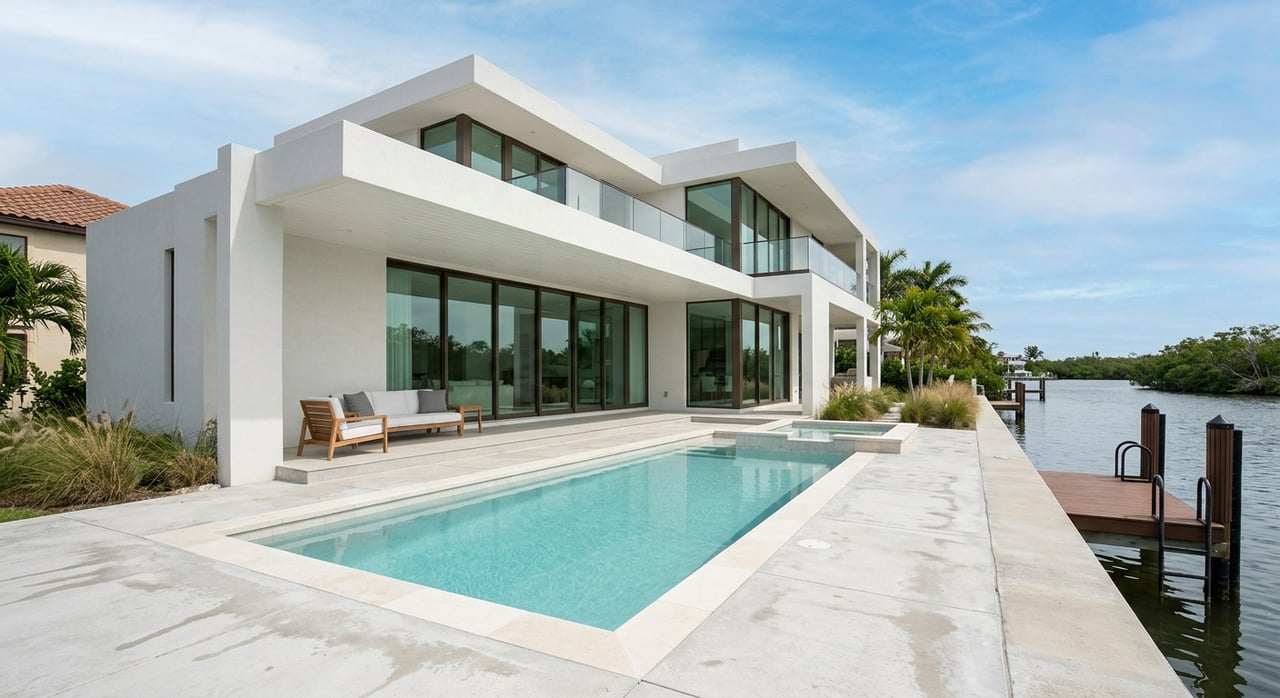
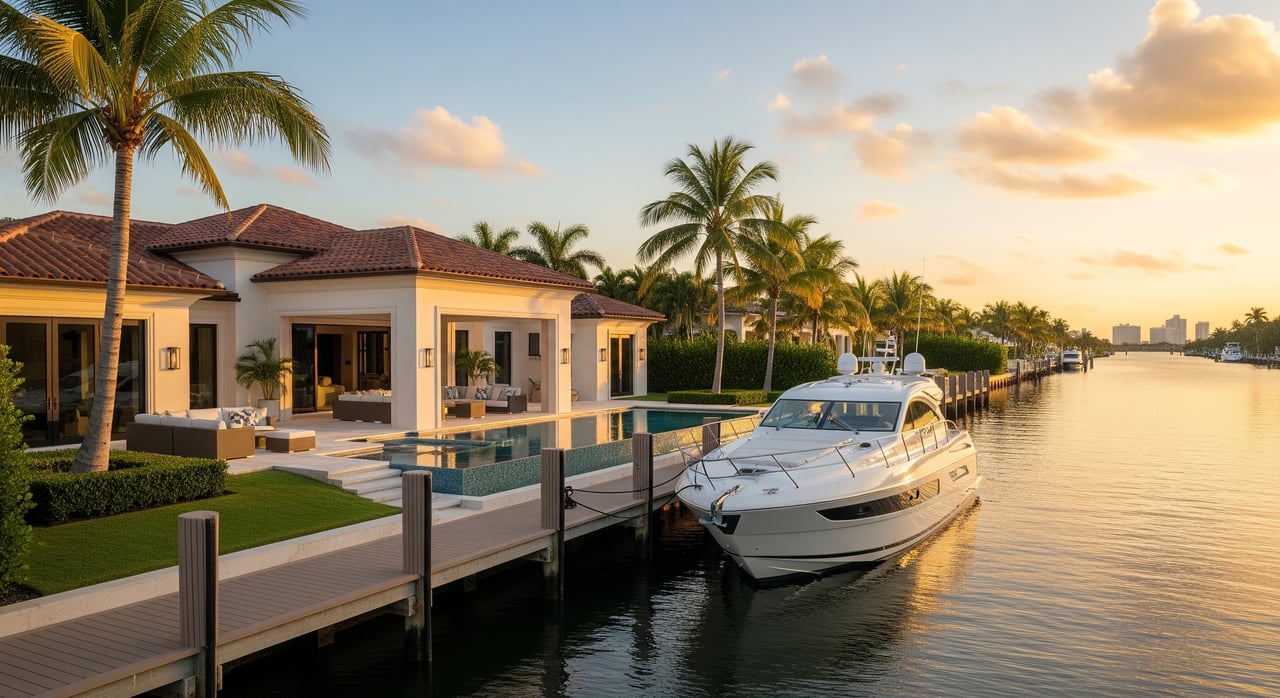
Homes on the Intracoastal Waterway offer water views and convenient boat access. Many properties have private docks and lifts, so you can head out to snorkel, fish or cruise without trailering. These homes vary by depth and bridge clearance, which determine the size of boat you can keep. Expect a lively scene during high season as boat traffic and waterfront dining pick up.
Canal and lagoon systems
Canal neighborhoods deliver a blend of privacy and boating convenience. You may get a protected dock, less wake, and still enjoy quick access to the Intracoastal. Canal dimensions, depth and setbacks matter for dock size and vessel draft. In some areas, you will see neighborly coordination about wakes, docking and shared waterway etiquette.
Marina-lifestyle condos and townhomes
If you prefer turnkey living without maintaining a private dock, consider communities with marinas or assigned slips. These setups can include waitlists, slip fees and rules on boat size and use. Daily life is easy and social, with quick access to the water and association-managed infrastructure. Review documents for slip assignment, guest access and rental policies.
Everyday life on the water
Boating made easy
Boating is part of the rhythm here. Many residents own center consoles, sport fishing boats, kayaks and paddleboards. Private docks mean spontaneous sunset cruises, while community marinas simplify maintenance. Local services cover fueling, engine work and haul-outs, but slip availability and costs are practical constraints to plan for.
Beaches and parks at your doorstep
Boca’s public beaches and parks offer swimming, snorkeling, shaded picnic spots and in many cases lifeguards. Popular choices include Red Reef Park and Spanish River Park. Shallow intracoastal areas and mangrove shorelines invite paddleboarding and fishing. You can build routines around early swims, reef snorkeling and weekend family outings.
Walkability and dining hubs
Downtown Boca and Mizner Park form the city’s most walkable district with restaurants, galleries and cultural venues. Many gated waterfront enclaves are car-oriented, so plan errands and dining accordingly. Waterfront restaurants and marinas create a casual-to-upscale dining mix, often focused on seafood and docks-to-table vibes. Private yacht clubs and neighborhood clubs offer active calendars if you choose to join.
Commuting and airport access
Most residents rely on cars for daily errands and commuting via I-95 and local roads. For travel, Palm Beach International Airport and Fort Lauderdale-Hollywood International are the typical choices. Public transit exists but is not central to most waterfront routines. If you split time between homes, regional access will be straightforward.
Noise, light and privacy
On weekends and during high season, expect more boat traffic, occasional wake and activity near marinas and waterfront restaurants. Privacy varies by street grid, canal width and proximity to public spaces. If quiet is important, visit at different times and seasons to feel the sound levels. Thoughtful landscaping and dock lighting help manage privacy and nighttime glare.
What it really costs and involves
Insurance basics for waterfront
Waterfront properties often need a combination of homeowners, flood and wind coverage. Premiums tend to be higher than inland due to wind and flood exposure. Costs vary by construction, elevation, flood zone and insurer, so get quotes early. Compare options through the National Flood Insurance Program and private carriers to understand coverage and deductibles.
Flood risk and resilience
Many waterfront homes are in FEMA flood zones. Mortgage lenders typically require flood insurance in high-risk zones, and elevation certificates are helpful for rating and planning. Hurricane season runs from June 1 through November 30, so you will want shutters or impact glass and a clear storm plan. Local resilience programs address king tides and long-term sea level rise, which can inform your maintenance and investment timelines.
Docks, seawalls and lifts
Owning on the water often means owning a seawall and dock. Seawalls age and may need repair or replacement, which requires permitting and coordination with local agencies. Docks and lifts need routine inspections, lubing, and hardware checks to handle salt and sun. In deeper draft scenarios, dredging may be needed but is highly regulated and time-intensive.
HOA and condo rules
Many waterfront neighborhoods and buildings are governed by HOAs or condo associations. Rules can cover boat size, wake policies, guest access, slip assignments and rentals. Review documents for rental restrictions, exterior appearance guidelines and any special assessments. Understanding these rules early prevents surprises and helps align your lifestyle with the community.
Routine and surprise expenses
Plan for ongoing costs like dock and lift maintenance, seawall upkeep, HOA or slip fees, elevated insurance premiums and potentially higher property taxes. After storms, debris removal and minor repairs can crop up. Salt air can accelerate wear on HVAC, window hardware and exterior finishes. Keeping a proactive maintenance calendar helps keep costs predictable.
Oceanfront vs Intracoastal vs canal
- Oceanfront: Best for direct beach access, sunrise views and a resort feel. Focus is on sand and surf rather than keeping a boat at your door. Expect more salt and wind exposure.
- Intracoastal: Great for views and quick boat access with private docks. Bridge clearances and depth control vessel size, and social energy picks up in high season.
- Canal: Offers protection from wakes and often more privacy. Depth, width and setback rules drive boat size and dock design. Access to the Intracoastal is usually quick but varies by location.
Seasonal rhythms and social life
High season energy
From roughly November through April, the population swells with snowbirds. Restaurants, boat traffic and social calendars get lively. Expect more regattas, events and club activity. Plan marina reservations and dinner bookings earlier during these months.
Summer pace and storms
Summer is quieter but hotter and more humid, with afternoon storms. You will watch the tropics more closely, check your hurricane supplies and keep shutters or impact systems ready. The water is warm and inviting for snorkeling and paddleboarding. Off-season can be ideal for home projects and dock work.
Boating etiquette and safety
Wake awareness matters in narrow canals and near docks. Follow speed limits, fueling etiquette and pumpout rules. In close-knit canal systems, neighbors coordinate on best practices for docking and keeping waterways clear of debris. Security habits like locked gates, lights and cameras help protect boats and gear.
Smart buyer checklist
- Confirm flood zone. Pull a FEMA map and, if available, review the property’s elevation certificate.
- Pre-quote insurance. Get homeowners, wind and flood quotes before you make firm plans.
- Inspect dock and seawall. Hire a marine contractor to assess condition, lifespan and any past permits.
- Verify boat fit. Check canal depth, bridge clearances, setbacks and lift capacity for your vessel.
- Review HOA or condo rules. Look for slip assignments, rental restrictions, guest access and assessments.
- Check permits and environmental rules. Understand requirements for any dock, lift or seawall changes.
- Order a survey. Confirm boundaries, encroachments, easements and any submerged land issues.
- Visit at different times. See the area on weekends, evenings, high tide and low tide, and in both high season and summer.
Visit tips and due diligence
Walk the dock lines and visualize your daily routines: launching paddleboards, washing the boat, hauling groceries, welcoming guests. Listen for boat noise and watch how wakes behave on your canal. If you want dining and culture within walking distance, spend time around downtown and Mizner Park. If privacy is the priority, focus on street layout, lot orientation and vegetation.
How we help at Jamie Sells SoFlo
You deserve guidance that blends lifestyle and logistics. We help you compare oceanfront, Intracoastal and canal options through a practical lens, then line up the right inspectors, surveyors and marine contractors to answer the hard questions. For sellers, we pair staging, renovation coordination and premium marketing to position your home at top value. For buyers and second-home shoppers, we deliver a boutique, data-informed search with the white-glove support you expect.
Ready to talk next steps or schedule property tours? Connect with Jamie Moody for a local, high-touch plan that fits how you want to live on the water.
FAQs
Can I keep a big boat at a private dock in Boca Raton?
- It depends on canal depth, bridge clearances, dock size and community rules; many docks fit small-to-mid boats, while large yachts often need deeper marina berths.
How high are waterfront insurance costs in Boca Raton?
- Premiums are typically higher than inland due to wind and flood exposure and vary by flood zone, elevation, construction and insurer; get quotes early and compare options.
Do I need permits to build or modify a dock or seawall in Palm Beach County?
- Yes; most projects require county and state approvals, and environmental protections can add time and cost, so consult permitting offices and a marine contractor early.
How walkable are Boca Raton waterfront neighborhoods overall?
- Walkability varies widely; downtown and Mizner Park are walkable to dining and culture, while many gated waterfront areas are car-dependent for daily errands.
Are short-term rentals allowed in Boca Raton waterfront communities?
- Rules vary by city ordinances and HOA or condo documents; many communities limit short-term rentals, so verify before counting on rental income.
When is hurricane season in South Florida, and how should I prepare as a waterfront owner?
- Hurricane season is June 1 to November 30; plan for shutters or impact glass, supplies, insurance reviews and an evacuation plan if needed.
What are riparian and littoral rights for Boca Raton waterfront owners?
- These define shoreline use, such as docking and mooring, but can be limited by local rules and easements; review surveys and title work with your agent and attorney.