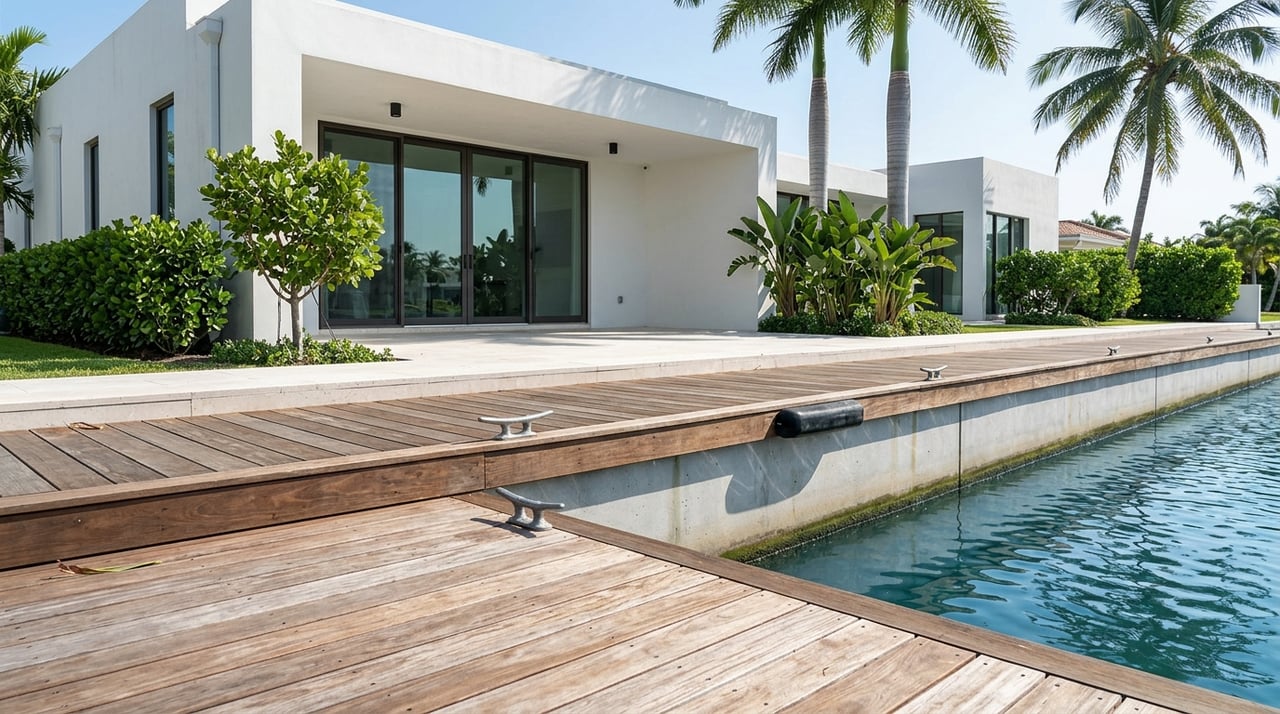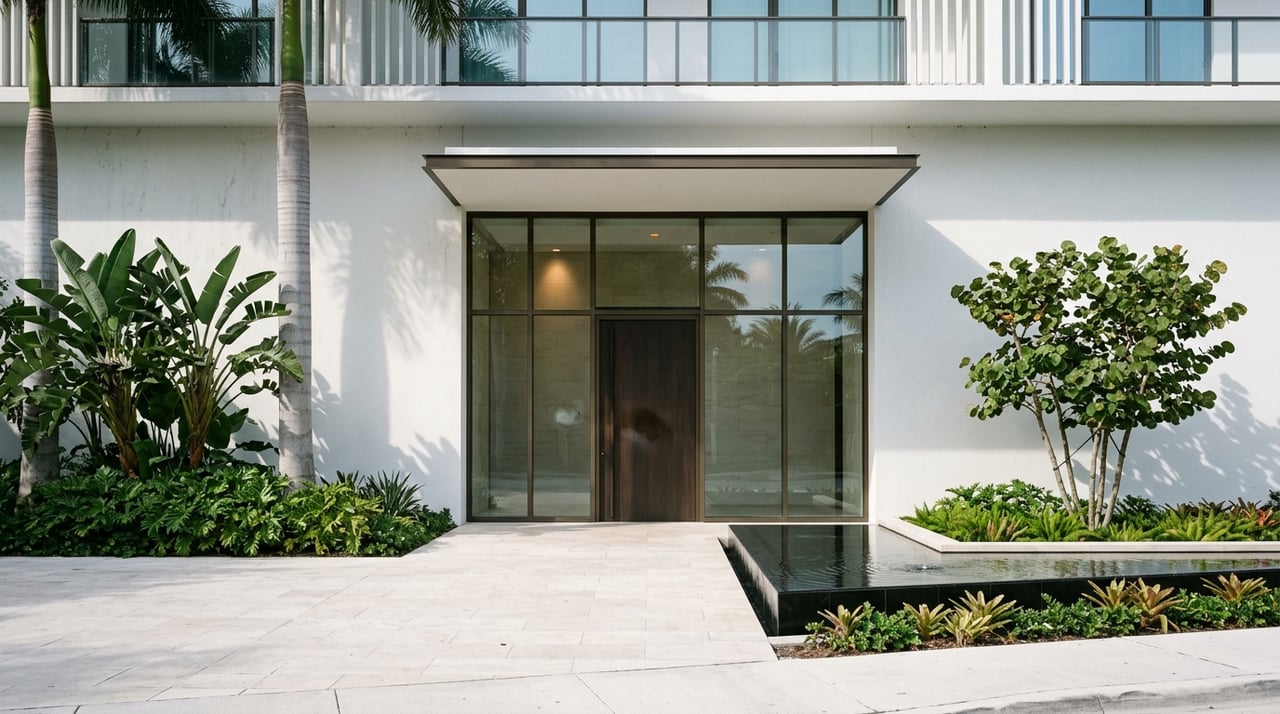
If you have been watching Fort Lauderdale lately, you have probably noticed that luxury development is doing more than adding tall buildings. It is changing how parts of the city look, feel, and function, especially downtown, along Las Olas, and near the waterfront. For buyers, sellers, and anyone thinking about a move in Broward, understanding these changes can help you make smarter decisions about timing, pricing, and lifestyle. Let’s dive in.
Fort Lauderdale’s luxury boom is bigger than new towers
Luxury development in Fort Lauderdale is reshaping both the skyline and the experience at street level. According to the Fort Lauderdale Downtown Development Authority, more than 51 real estate projects are in the pipeline downtown, bringing over 19,000 units, more than 2,500 apartments under construction, and at least $10 billion in private investment.
That kind of development has a ripple effect. It does not just introduce new residences. It also influences traffic flow, pedestrian routes, open space, and how people use the riverfront and downtown core.
The city’s direction is becoming easier to read. Public space, walkability, shade, and stronger pedestrian connections are now central to the real estate story. The reopening of Huizenga Park and approved mobility improvements on Las Olas show that luxury growth is being paired with upgrades meant to improve the overall urban experience.
Where luxury development is clustering
Downtown and Las Olas
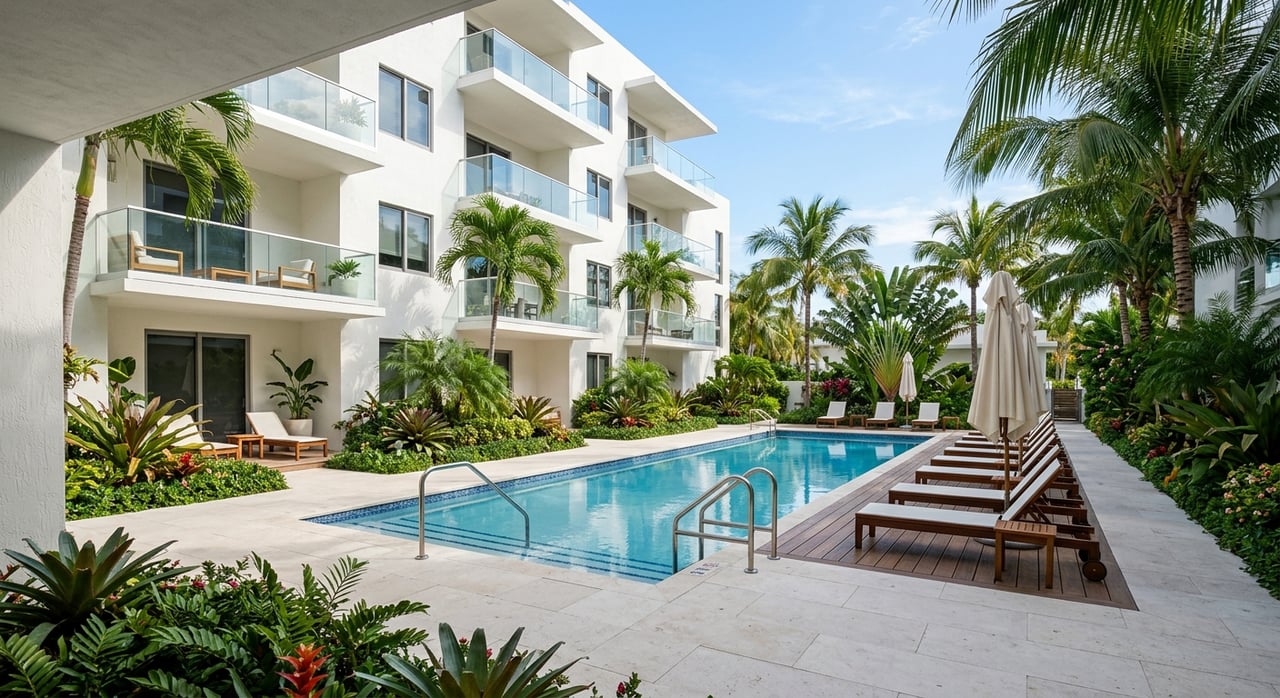
Downtown, Las Olas, and the Riverwalk corridor are at the center of Fort Lauderdale’s luxury evolution. This is where you can see the clearest shift from traditional waterfront appeal to a more polished, branded lifestyle built around service, amenities, and convenience.
Projects like Andare Residences by Pininfarina reflect that change. The project is marketed as a 163-residence luxury condominium with about 35,000 square feet of amenity space, private elevator access, and prices starting at $2 million.
Nearby, Viceroy Residences Fort Lauderdale is presented as a 500-foot tower with 370 luxury condominiums, more than 30,000 square feet of amenities, and pricing from $530,000 to $2 million, according to the same development overview in the research. Together, these projects show how premium housing in Fort Lauderdale is being positioned around hospitality-style living and a downtown address, not just beach frontage.
Beach and marina corridor
The beachside and marina corridor are also playing a major role in the city’s luxury identity. One of the biggest examples is the approved St. Regis Resort & Residences Bahia Mar redevelopment, a roughly $2 billion project planned with four residential towers and a hotel tower next to the marina.
This matters because it signals a broader shift in how waterfront luxury is being designed and marketed. Instead of a single standout building, some of Fort Lauderdale’s highest-profile projects are being imagined as full destination environments with residences, hospitality, marina access, and resort-style features working together.
The same pattern appears at Pier Sixty-Six, which reopened in 2025 after a multibillion-dollar transformation. The property now includes 325 guest rooms and suites, three new pools, a 164-slip marina, and 90 residences across four buildings. That kind of investment helps reinforce a luxury image that extends beyond private homes and into the broader waterfront experience.
Growth is spreading beyond the core
Mixed-use projects in nearby districts
Luxury development is not limited to the waterfront or Las Olas. Nearby districts are also changing, although the product mix is broader and often includes mixed-use and mixed-income housing.
In Progresso Village, FAT Village is being rebuilt as a 5.5-acre mixed-use district with 835,000 square feet, two towers rising 24 and 25 stories, and just over 500 residential units. Plans also include about 80,000 square feet for food and beverage, shopping, entertainment, art studios, and galleries.
That same area includes The Gallery at FAT Village, a 16-story mixed-use and mixed-income rental project with 263 units, as well as Six13 in Progresso, which adds 142 apartments and nearly 6,000 square feet of commercial space. These projects show that the city’s redevelopment story is not only about ultra-luxury condos. It is also about creating more connected urban districts with a wider range of housing types and uses.
Sistrunk and surrounding areas
The city is also supporting more varied housing in the Sistrunk corridor. In 2025, the Fort Lauderdale CRA approved a six-story mixed-use project at 801 NW 6th Street with 121 rental apartments, retail space, and 14 affordable units.
This adds important context for anyone trying to understand the local market. Fort Lauderdale’s luxury wave is real, but it is happening alongside efforts to support broader redevelopment, public improvements, mobility, and additional housing options. That creates what the research report describes as a two-speed market, with top-tier branded inventory concentrated in the waterfront and downtown core while nearby districts evolve with a more mixed profile.
What this means for buyers and sellers
Buyers should look beyond the brochure
If you are shopping for new construction or preconstruction in Fort Lauderdale, it is important to read marketing materials carefully. Many top-end projects are still promoted with renderings, conceptual imagery, construction timelines, and broad price ranges.
That does not mean the opportunity is not real. It simply means you should treat the brochure as a starting point, not the final word. Questions about unit stacks, view corridors, parking, HOA structure, building services, and delivery timing can matter just as much as the design itself.
In today’s market, luxury is being sold as a package. Architecture, amenities, wellness programming, marina access, and service levels all shape perceived value. Comparing only price per square foot may cause you to miss important differences between one project and another.
Sellers need to understand rising expectations
If you own a luxury condo, waterfront residence, or high-end resale nearby, new development can affect how buyers evaluate your property. Fresh inventory often raises expectations around finishes, amenity spaces, lobby design, and hospitality-style services.
That does not mean resale homes cannot compete. It means presentation, pricing, and positioning matter even more. Buyers may compare your property against a branded tower or newly upgraded waterfront offering, so the story around your home has to be clear and compelling.
This is especially important in a market where inventory remains meaningful in the luxury segment. According to Douglas Elliman’s Q3 2025 Fort Lauderdale market report, the top 10 percent of condo sales started at $1.225 million with a median sales price of $1.6 million and 20.2 months of supply. Luxury single-family sales started at $2.4 million with a median sales price of $3.65 million and 19.4 months of supply.
Those numbers point to a segmented market where buyers still have choices. The same report shows average discounting from last list price at 7.8 percent for luxury condos and 9.3 percent for luxury single-family homes, which suggests that strong presentation alone is not enough. Pricing strategy still matters.
How the market is being reshaped
At a practical level, Fort Lauderdale’s luxury development boom is changing what buyers expect a premium property to deliver. Walkability, access to public spaces, wellness-focused amenities, branded services, and marina or waterfront experiences are becoming more central to the value conversation.
That shift can influence how neighborhoods feel, even outside the most expensive towers. As downtown and waterfront projects attract attention, nearby districts often benefit from new retail, streetscape upgrades, and mixed-use investment. In that sense, luxury development is not just reshaping a few blocks. It is helping redefine how the broader city is experienced.
For anyone buying or selling in Broward, this is where local strategy becomes important. You need to understand not only where the new projects are located, but also how they may affect resale competition, lifestyle demand, and pricing expectations across nearby submarkets.
If you are weighing a move, planning a sale, or trying to understand how South Florida’s luxury market is evolving, working with a local advisor can help you cut through the marketing and focus on what truly fits your goals. Jamie Moody brings a boutique, high-touch approach backed by data-driven pricing and polished marketing to help you navigate luxury opportunities across South Florida.
FAQs
How is luxury development changing downtown Fort Lauderdale?
- Luxury development is adding new residences, but it is also changing downtown through public-space improvements, pedestrian upgrades, and stronger connections along Las Olas and the Riverwalk corridor.
What luxury projects are shaping Fort Lauderdale’s waterfront?
- Notable waterfront and luxury projects mentioned in current reporting include Andare Residences, Viceroy Residences Fort Lauderdale, Pier Sixty-Six, and the approved St. Regis Resort & Residences Bahia Mar redevelopment.
What does Fort Lauderdale’s luxury inventory mean for buyers?
- Current data suggest buyers in the luxury segment have options, so it is important to compare building type, amenities, service level, location, and how much of a project is completed versus still being marketed conceptually.
What does new luxury construction mean for Fort Lauderdale sellers?
- New development can raise buyer expectations for design, amenities, and services, which makes thoughtful pricing, strong presentation, and clear property positioning especially important for resale sellers.
Are all new Fort Lauderdale developments ultra-luxury?
- No. While downtown and waterfront areas are seeing more branded luxury product, nearby districts such as Progresso Village and the Sistrunk corridor include mixed-use, market-rate, and mixed-income housing developments as well.