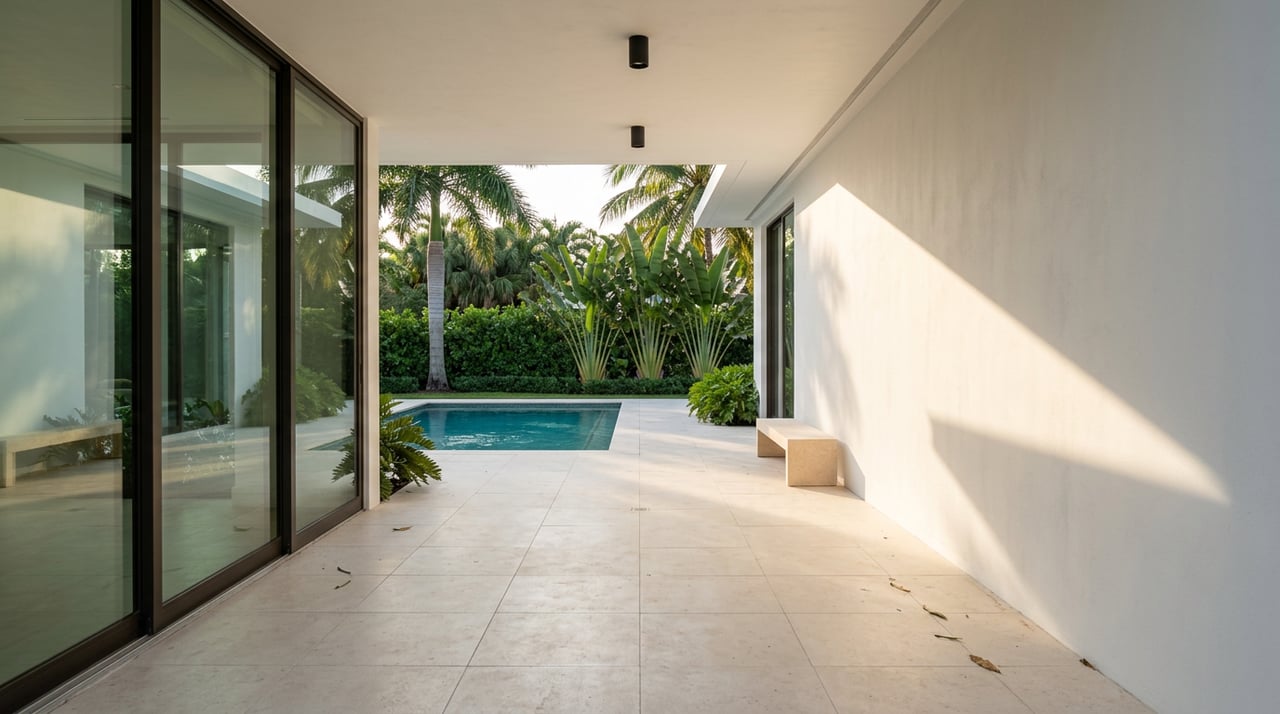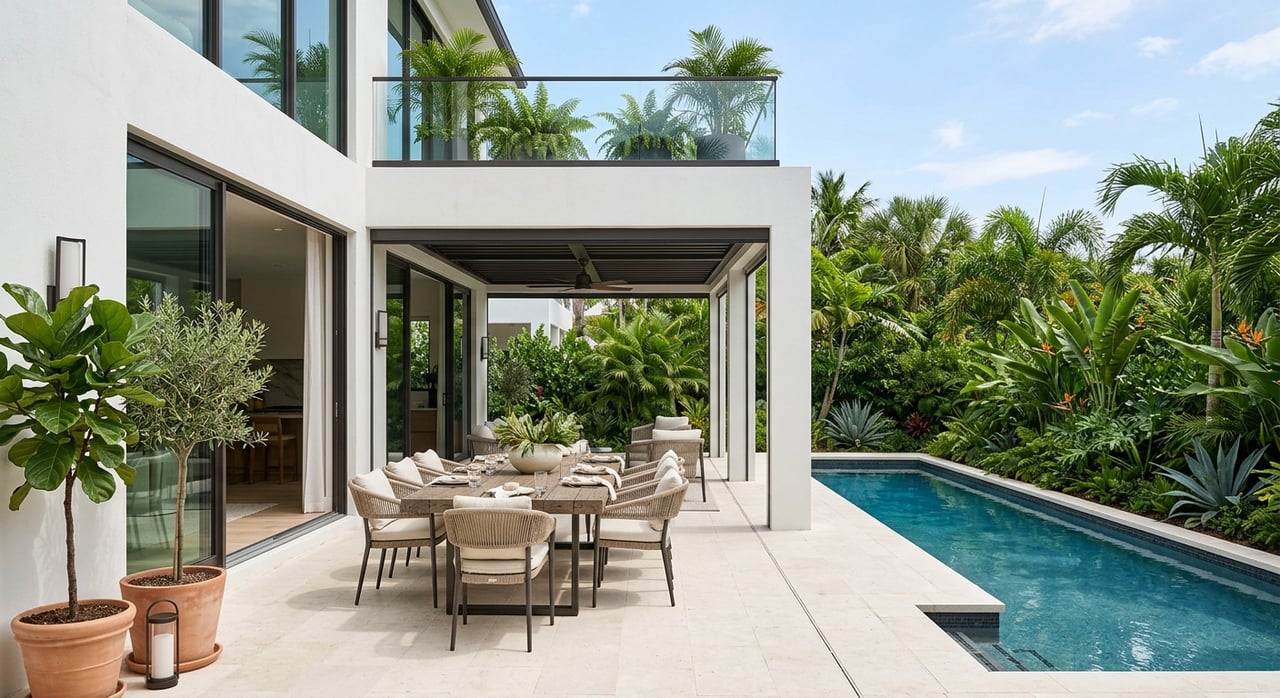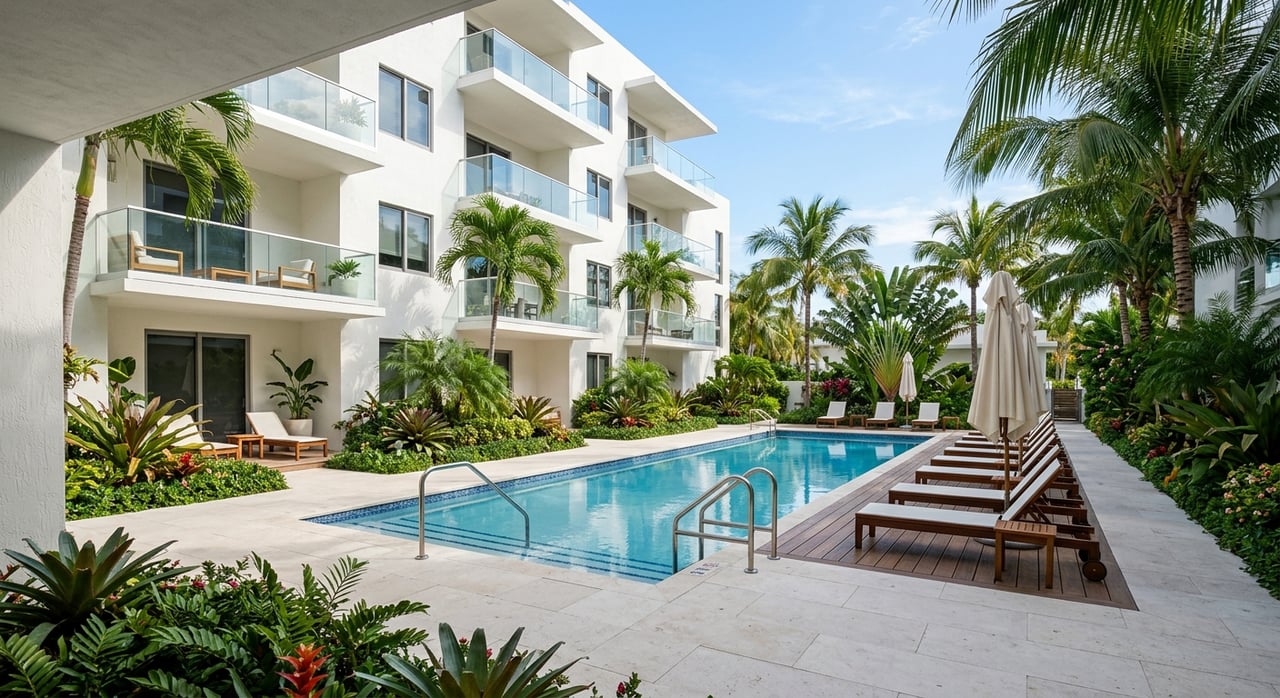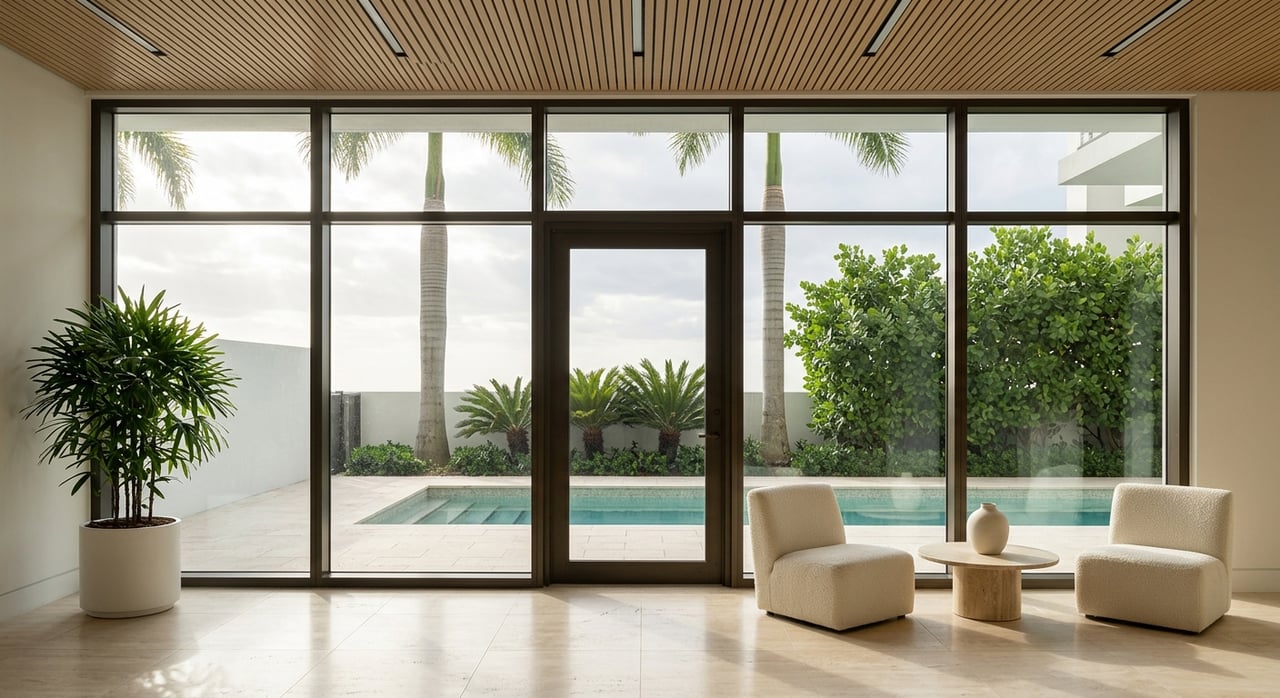
Buying an oceanfront condo in Palm Beach can feel exciting at first glance. The views are stunning, the amenity lists are polished, and the lifestyle is easy to picture. But if you want to buy wisely, you need to look beyond the terrace and the lobby to the documents, inspections, insurance, and long-term costs that shape ownership. Let’s dive in.
Why due diligence matters most
Palm Beach oceanfront condos come with a unique planning checklist. In addition to layout, finishes, and location, you also need to understand flood exposure, building age, reserve funding, inspection history, association rules, and insurance structure.
For many buyers, especially second-home and relocation buyers, this is where the decision becomes clearer. A beautiful unit can still come with higher carrying costs or future financial risk if the building’s records, reserves, or inspection status are not solid.
Check flood exposure early
One of the first questions to answer is where the building sits on the flood map. The official place to verify this is FEMA’s Flood Map Service Center, which identifies flood hazard areas, including higher-risk coastal zones such as A and V.
This matters because flood risk can affect both building requirements and insurance costs. For an oceanfront condo in Palm Beach, you should confirm the exact flood zone, ask whether an elevation certificate is available, and find out whether the building is considered to be in a high-risk coastal area.
It is also important to understand that flood coverage is generally separate from a standard homeowners policy. The Florida Office of Insurance Regulation notes that flood insurance may be required by a mortgage lender, and FEMA states that buyers in high-risk flood areas with federally backed or regulated mortgages are generally required to carry flood insurance.
Review the condo documents, not just the brochure
Marketing materials can tell you what a building wants to highlight. The governing documents tell you how the property actually operates.
In Florida, condominium official records can include current rules, meeting minutes, current insurance policies, accounting records and financial reports, structural integrity reserve studies, and milestone inspection reports. According to the Florida Department of Business and Professional Regulation condo FAQs, owners can request access to official records within 10 working days.
These records are essential because they affect your daily use and your monthly costs. The declaration, bylaws, rules, budget, reserve records, and insurance documents can clarify whether items like beach access, valet, security, storage, parking, shutters, or impact-glass maintenance are included in dues or handled separately.
Understand how association rules affect ownership
Every building has its own structure for rules and responsibilities. That is why two condos with similar views and similar asking prices can feel very different once you understand how the association is run.
Florida law allows condominium associations to suspend use of some common elements or facilities for rule violations or unpaid assessments, although access to the unit, utilities, parking spaces, and elevators is protected. The board may also adopt rules that govern owner and tenant use, and hurricane-protection decisions may be controlled by the declaration or board vote, as outlined in the DBPR condominium FAQs.
For you as a buyer, the takeaway is simple. Do not assume a building works the way another oceanfront building works. Confirm what is allowed, what is included, and what responsibilities stay with the unit owner.
Pay close attention to reserves and inspections
In today’s Florida condo market, reserve funding and inspection status deserve the same weight as view, floor plan, and amenities. This is especially true for oceanfront buildings, where salt-air exposure can become part of the long-term planning conversation.
Florida requires a Structural Integrity Reserve Study, or SIRS, for residential condominium buildings that are three habitable stories or higher. The study must be completed at least every 10 years and covers major components such as the roof, structure, fire protection, plumbing, electrical systems, waterproofing and exterior painting, windows and exterior doors, plus other qualifying items, according to the DBPR condo guidance.
Milestone inspections are separate. Under Florida law, buildings that are three habitable stories or more generally need a milestone inspection by age 30 and every 10 years after that. In some cases, local enforcement agencies can require the first inspection at 25 years, including situations related to proximity to salt water.
That provision is especially relevant in Palm Beach. If you are comparing oceanfront buildings, ask when the certificate of occupancy was issued, whether the building is three habitable stories or higher, and whether any milestone inspection has already been completed or is coming due soon.
Know what sellers must disclose
Florida has strengthened condo disclosure requirements in a way that directly affects buyers. For applicable condominium sales, the contract must include the inspector-prepared milestone summary and the most recent SIRS, or a statement that the required document has not been completed or is not required under Florida Statute 718.503.
That means inspection and reserve information should be part of your decision before closing, not something you sort through after you take ownership. It also gives you a practical framework for comparing buildings in a more informed way.
Budget for the full carrying cost
Monthly condo ownership costs are often more layered than buyers expect. In Palm Beach oceanfront buildings, your total carrying cost can include association dues, reserve funding, unit-level insurance, flood insurance considerations, and the possibility of special assessments.
Florida law requires associations to use best efforts to maintain adequate property insurance, and in some cases the statute allows self-insurance. The DBPR condo FAQs are a good reference point for understanding that the building’s master policy is only one part of the picture.
At the unit level, buyers usually need an HO-6 policy. The Florida Chief Financial Officer’s consumer insurance overview explains that HO-6 coverage primarily applies to personal property and liability, and includes loss-assessment coverage with at least $2,000 of coverage and no more than a $250 deductible for that coverage.
For oceanfront buyers, the practical budgeting lesson is to account for both the building’s insurance structure and your own unit-level policy. If flood insurance is required or recommended, that should be part of your budget discussion early.
Factor in taxes and homestead rules
Property taxes should also be part of your planning from day one. In Florida, homestead exemption may be available if the property is your permanent residence.
The Florida Department of Revenue states that homestead exemption can reduce taxable value by as much as $50,000. If you are buying a second home or seasonal property, you should not assume homestead treatment applies. If you are relocating full-time, confirm eligibility with the county property appraiser as part of your move plan.
Use a smart condo comparison checklist
When you compare Palm Beach oceanfront condos, use the same framework for every building. This helps you look past surface-level differences and focus on the details that can affect ownership experience and resale risk.
Here is a practical checklist to bring into your search:
- Request the declaration, bylaws, current rules, current budget, current insurance policies, recent reserve information, and any milestone or SIRS documents.
- Ask when the building’s certificate of occupancy was issued.
- Confirm whether the building is three habitable stories or higher.
- Ask whether any special assessments are current, pending, or historically common.
- Verify whether reserves align with the latest reserve study.
- Check the building’s flood zone and ask whether an elevation certificate is available.
- Confirm what dues include, such as staffing, beach access, valet, security, parking, storage, shutters, or impact-glass maintenance.
- Clarify which responsibilities belong to the association and which belong to the unit owner.
This kind of side-by-side review can save you from making a decision based only on finishes or views. It also helps you identify which buildings are more transparent and better prepared for long-term ownership.
What matters most in Palm Beach
In Palm Beach, oceanfront condo buying is about balancing lifestyle with structure. You want the view, the access, and the ease of coastal living, but you also want confidence in the building’s records, reserves, insurance approach, and governance.
The strongest purchase decisions usually happen when you give equal attention to both sides of the equation. Look at the amenities and design, but also study the flood zone, inspection timeline, reserve funding, and official records. That is how you move from falling in love with a unit to making a smart, well-supported investment in your next chapter.
If you want a thoughtful, high-touch approach to buying along the Palm Beach corridor, Jamie Moody can help you compare luxury condos with a clear eye on both lifestyle and long-term ownership.
FAQs
What should you review before buying a Palm Beach oceanfront condo?
- You should review the declaration, bylaws, rules, current budget, insurance policies, reserve information, and any milestone inspection or SIRS documents.
Why does flood zone matter for a Palm Beach oceanfront condo?
- Flood zone can affect insurance requirements, lender expectations, building standards, and your total cost of ownership.
What is a SIRS for a Florida condo building?
- A Structural Integrity Reserve Study is a required reserve study for certain condominium buildings that evaluates major structural and building systems and helps guide required reserve funding.
What is a milestone inspection for a Palm Beach condo?
- A milestone inspection is a separate Florida requirement for certain older condominium buildings that are three habitable stories or more, generally beginning at age 30 and repeating every 10 years.
Does a standard homeowners policy cover flood damage in a Florida condo?
- No. Florida regulators note that flood damage is usually not covered by a standard homeowners policy and may require separate flood insurance.
Can a second-home buyer get Florida homestead exemption on a Palm Beach condo?
- Generally, homestead exemption applies when the property is your permanent residence, so second-home buyers should not assume they qualify.