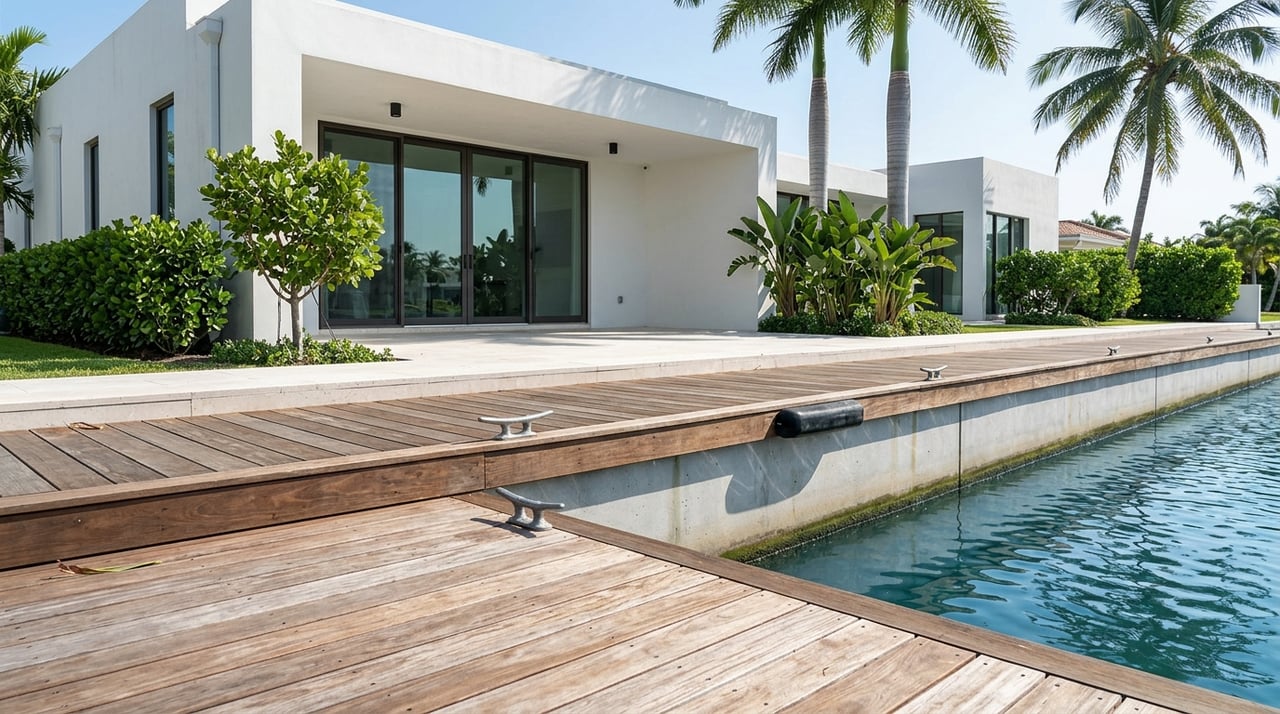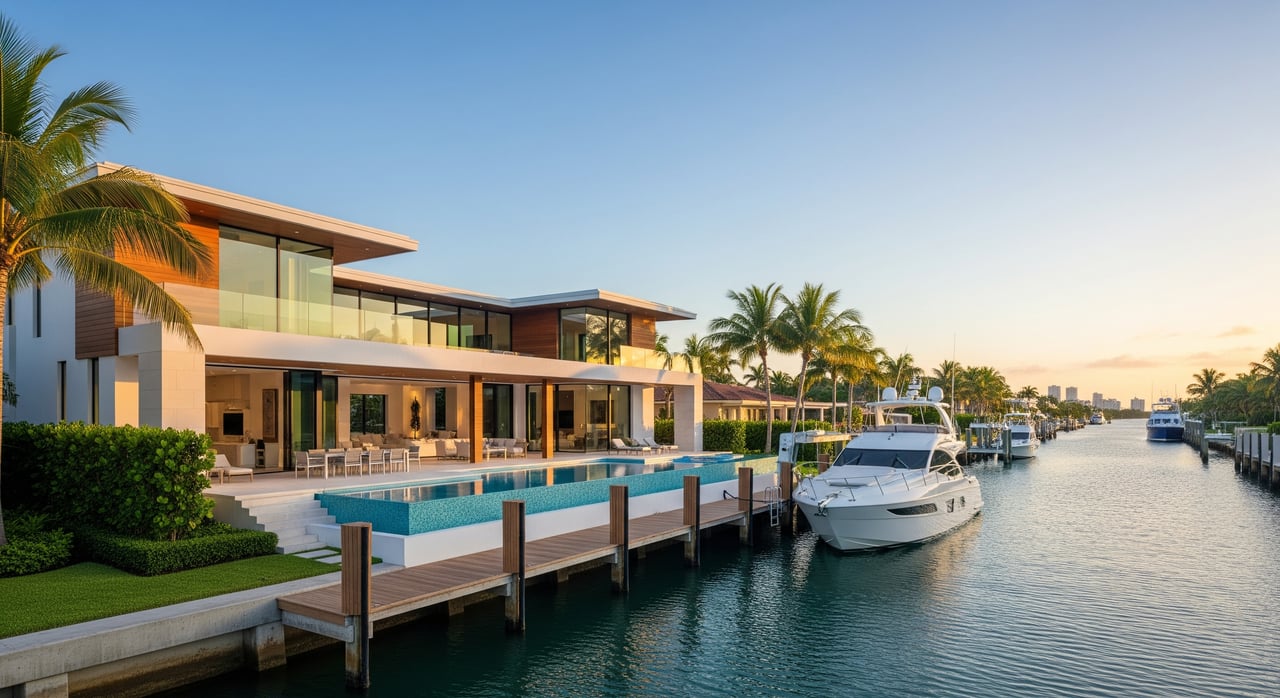
Thinking about a waterfront home in Pompano Beach but not sure which option fits your boat, lifestyle, and budget? You’re not alone. With oceanfront condos, Intracoastal homes, and canal-front properties, Pompano offers a lot of choice that can feel overwhelming. This guide breaks down your options, the boating details that matter, and the permits and insurance you should factor in. Let’s dive in.
Pompano waterfront options at a glance
Pompano Beach sits between Fort Lauderdale and Deerfield Beach and blends beachside condos with Intracoastal and canal neighborhoods. You’ll find three main property types to compare:
- Oceanfront condos along A1A for low-maintenance, amenity-rich living near the sand.
- Intracoastal single-family homes for deeper water, larger docks, and protected access.
- Canal-front single-family homes for calmer settings and smaller-boat access at more varied price points.
Oceanfront condos on A1A
What you get
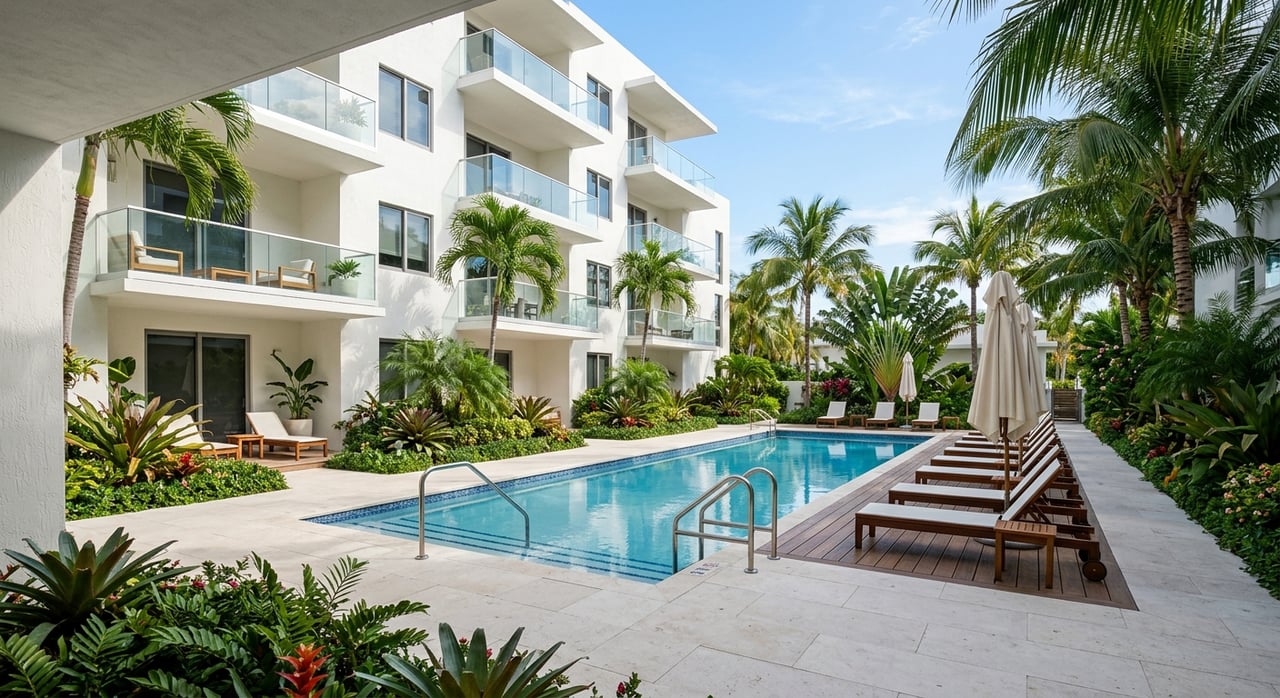
Oceanfront condos deliver a resort lifestyle with pools, fitness centers, and security. The association handles exterior maintenance, so your day-to-day upkeep is lighter than a single-family home. Views, building amenities, and association health are major value drivers.
Boating and marinas
Most beachfront buildings do not include private deep-water slips. If you own a boat, you’ll typically keep it at a nearby marina or rent a slip inland. Ocean access is excellent from the beach area, but slip availability and costs are separate from the condo purchase.
Costs and rules to review
Monthly fees can be higher due to salt-air maintenance and amenities. Review association documents for building condition, reserves, insurance coverage at the association level, and rental rules if you plan to host seasonal tenants. You will still need insurance for your interior and contents.
Best fit
Choose oceanfront if you want low-maintenance beach living and are fine arranging a separate boat slip. It’s a strong match for lock-and-leave owners and second-home buyers focused on lifestyle and convenience.
Intracoastal single-family homes
Boating access
Intracoastal homes often feature private docks with direct, protected transits along the ICW and efficient routes to inlets and the ocean. Wider water and deeper draft typically suit larger boats and more frequent cruising. Verify there are no fixed low bridges on your route to the ocean.
Maintenance and insurance
You are responsible for the seawall, dock, pilings, and any boatlift. Salt exposure and storm conditions increase upkeep. Expect higher flood, wind, and homeowners insurance compared with inland homes, and plan for periodic repairs to marine structures.
Pricing drivers to watch
Key factors include water frontage and depth, dock size and capacity, the condition and age of the seawall and dock, lot size, and whether access is direct without fixed bridges. Home updates and outdoor entertaining space also influence value.
Best fit
Pick the ICW if you own a larger vessel or plan regular ocean cruising and want full control of your private dock. It favors hands-on boating and year-round waterfront living.
Canal-front single-family homes
Boating realities
Canal-front properties vary widely. Many canals serve small to mid-size boats and center consoles, while some are shallow or narrow and limit vessel size and maneuvering. Your route may include bridges, so verify clearances and schedules.
Maintenance and dredging
You’ll manage similar marine upkeep as ICW homes, but docks and lifts are often smaller and less costly. Ask for dredging history and any neighborhood petitions or schedules, since shoaling can change depths over time.
Best fit
Consider canal homes if you want waterfront views and access for smaller boats, kayaks, or paddleboards at more approachable prices than prime ICW frontage. It’s a good blend of lifestyle and value if your draft and boat length are modest.
Boating access checklist
Before you fall in love with a view, confirm the details that affect daily use and resale:
- Water depth at mean low tide and the local tidal range that impacts draft.
- Dock length, piling condition, and whether a lift can be installed.
- Bridge type and vertical clearance on your route to the ocean.
- Canal width and nearby turning basins for safe maneuvering.
- Exposure and orientation, which affect wind, sun, and ease of egress.
- Deeded dock rights, association rules, and any municipal dock permits.
Permits, codes, and dredging
Installing or modifying docks, lifts, or seawalls typically requires permits from the Florida Department of Environmental Protection, Broward County, and sometimes the U.S. Army Corps of Engineers. Private dredging near your dock is usually your responsibility. Ask sellers for dredging and permit records, and confirm that all past work was inspected and closed. Waterfront construction must meet Florida Building Code standards for wind loads and flood elevations.
Flood risk, sea-level rise, and insurance
Check FEMA Flood Insurance Rate Maps to understand if a property sits in AE, VE, or X zones. Coastal VE zones tend to carry higher premiums and surge exposure. South Florida faces ongoing sea-level rise, and Broward County advances resilience planning, so factor long-term risk into your decision. Insurance for coastal homes may involve higher windstorm and flood costs, with underwriting that can favor newer construction, wind mitigation, and elevated designs. Some buyers evaluate options across private carriers and state-backed programs based on availability.
Association and rental rules
Condominium associations may restrict boat storage, guest dock use, slip rentals, and short-term rentals. Single-family HOAs can set standards for dock appearance and watercraft storage. City ordinances may limit short-term rentals in certain zones. Always review governing documents before you write an offer.
Documents to request and on-site inspections
Key documents to request
- Current survey showing water frontage and any deeded dock rights
- Seawall and dock maintenance records with dates and permits
- FEMA elevation certificate, if available
- Dock and boatlift engineering specs and approvals
- Association bylaws, dock rules, rental rules, and reserve studies
- Dredging records and any special assessments for shore protection
What to inspect in person
- Seawall condition, including cracks, lean, scour, and tie-back integrity
- Dock pilings, decking, hardware, and electrical with GFCI protection
- Boatlift capacity and operation, if present
- Water depth at mean low tide near the dock and any visible shoaling
- Signs of past flooding or storm damage and the elevation of entry points
- Bridge clearances and navigational constraints on your route
- Ownership of water space, easements, and any encroachments
Decide what fits your lifestyle and budget
Match property type to how you actually boat:
- Large yacht or frequent ocean runs: ICW-front single-family with deep water and no low fixed bridges.
- Weekend fishing or center console: canal-front homes with adequate depth or an oceanfront condo paired with a nearby rented slip.
- Kayaks, paddleboards, small skiffs: canal-front homes or select condos that allow small craft storage.
Then align with risk and maintenance:
- Lower maintenance with beach life: oceanfront condos, but plan for HOA fees and potential assessments.
- More control, more upkeep: ICW single-family with private dock.
- Value play with trade-offs: small-canal homes that limit boat size but deliver views and access.
Nearby markets to compare
Fort Lauderdale offers larger-yacht infrastructure and often higher prices in prime submarkets. Deerfield Beach and Boca Raton provide alternate mixes of price and amenities. As you compare, look at slip availability, marina rates, and local rules to understand total ownership cost and convenience.
Ready to tour Pompano waterfront?
If you want a clear plan, start with your boat’s needs, then layer in lifestyle, insurance, and maintenance. From there, you can shortlist neighborhoods and buildings that truly fit. For tailored guidance on docks, bridges, permits, and association rules, connect with a local advisor who knows the water. Reach out to Jamie Moody to map your options and tour the best-fit homes.
FAQs
What types of waterfront homes are common in Pompano Beach?
- You’ll primarily choose among oceanfront condos on A1A, Intracoastal single-family homes with deeper water and larger docks, and canal-front single-family homes that suit smaller boats and varied budgets.
How do I know if my boat will fit a Pompano canal property?
- Verify dock length, canal width and depth at mean low tide, turning basins, and bridge clearances. Consider a marine surveyor and check routes to the Intracoastal and ocean before you commit.
Who handles dredging near a private dock in Pompano Beach?
- Private owners generally handle dredging near their docks, while public dredging is occasional and limited. Request dredging history from sellers and check municipal records.
What insurance should I expect for a waterfront home in Broward County?
- Plan for homeowners, windstorm, and flood policies, with higher costs for coastal zones like AE or VE. Wind mitigation and elevation can help reduce premiums depending on underwriting.
Do oceanfront condos in Pompano include boat slips?
- Most oceanfront buildings do not have private deep-water marinas. Owners who boat typically use nearby marinas or rent inland slips, separate from the condo purchase.
What permits apply to seawalls, docks, and boatlifts in Pompano?
- You’ll typically need approvals from the Florida Department of Environmental Protection and Broward County, and sometimes the U.S. Army Corps of Engineers, with all work meeting Florida Building Code standards.
Can associations limit rentals or boat storage at Pompano properties?
- Yes. Condo and HOA documents often address rental durations, guest dock use, and watercraft storage. Review all governing documents and city ordinances early in your process.