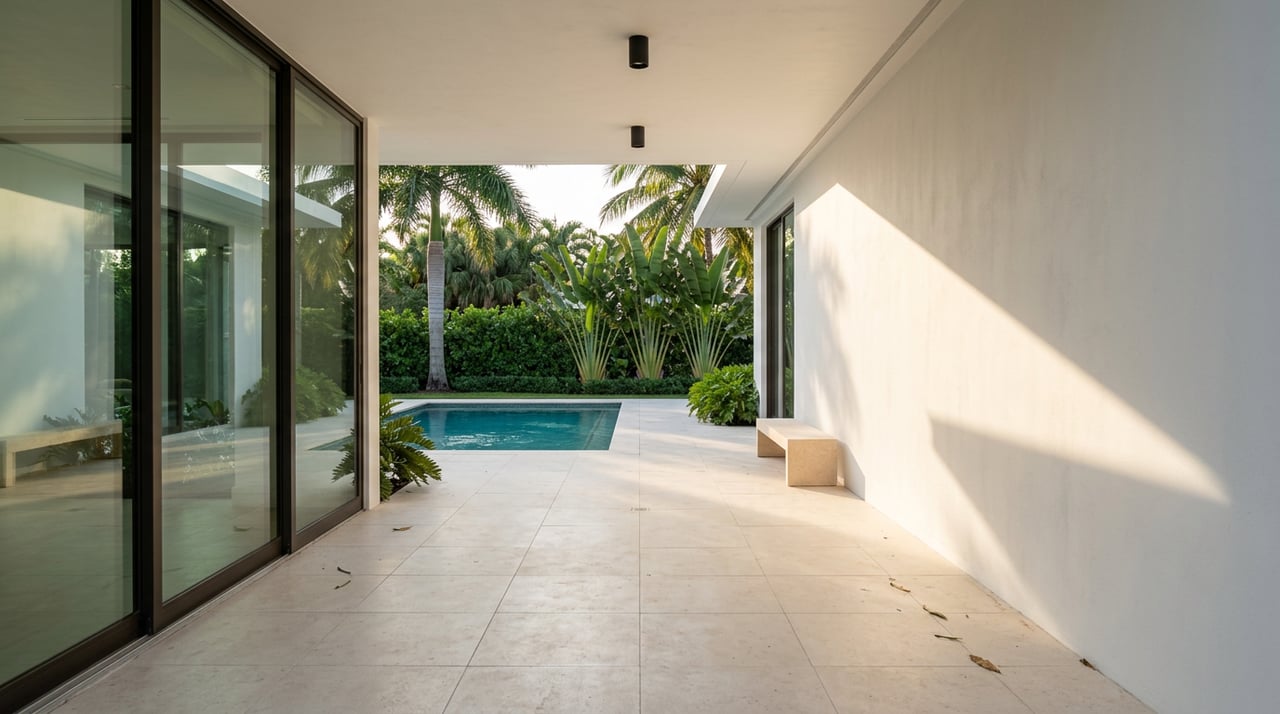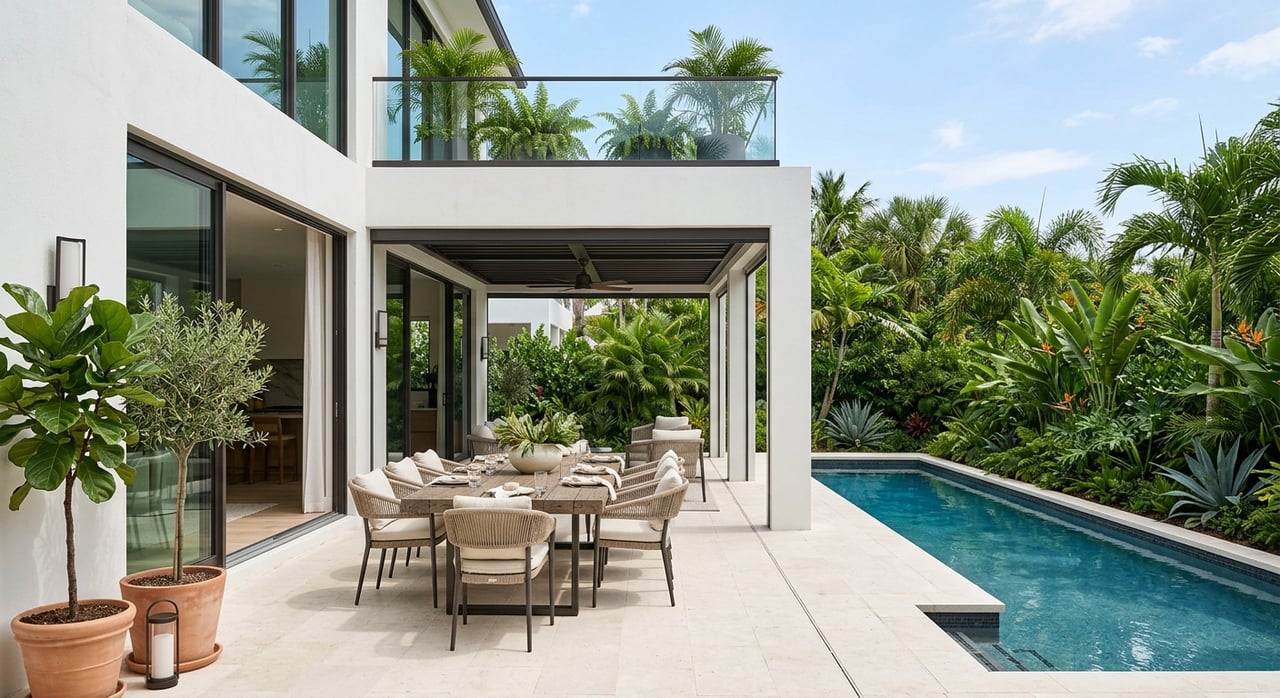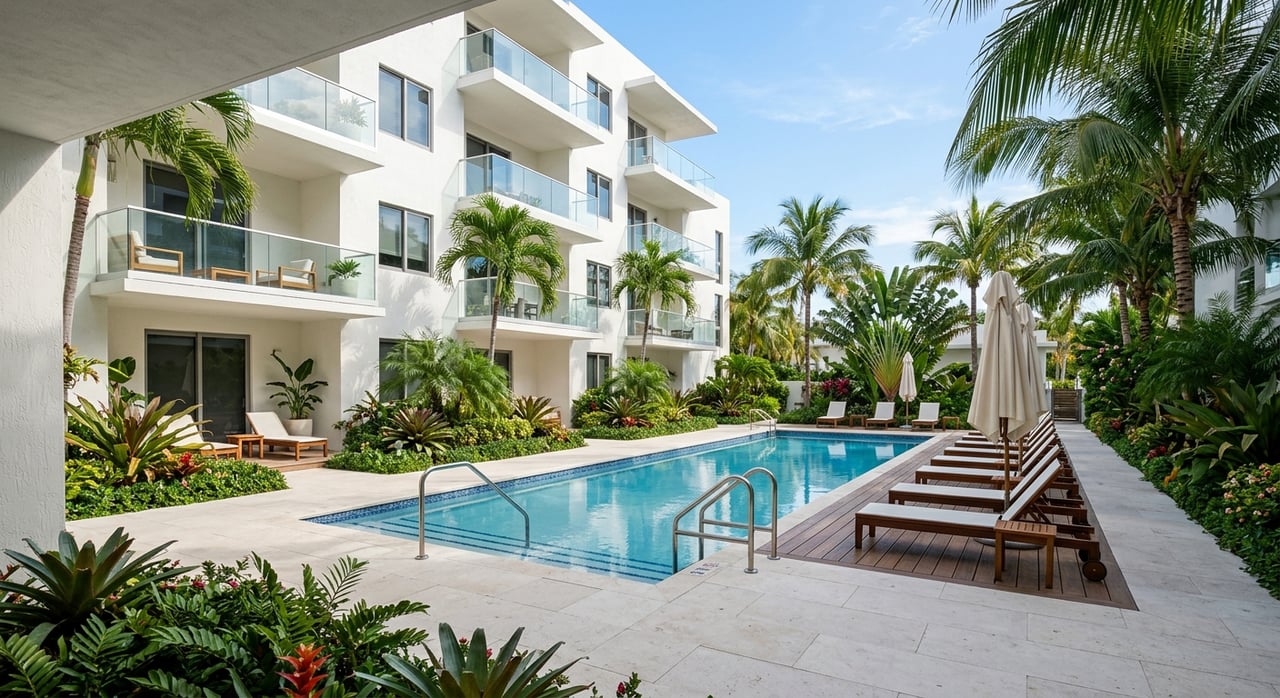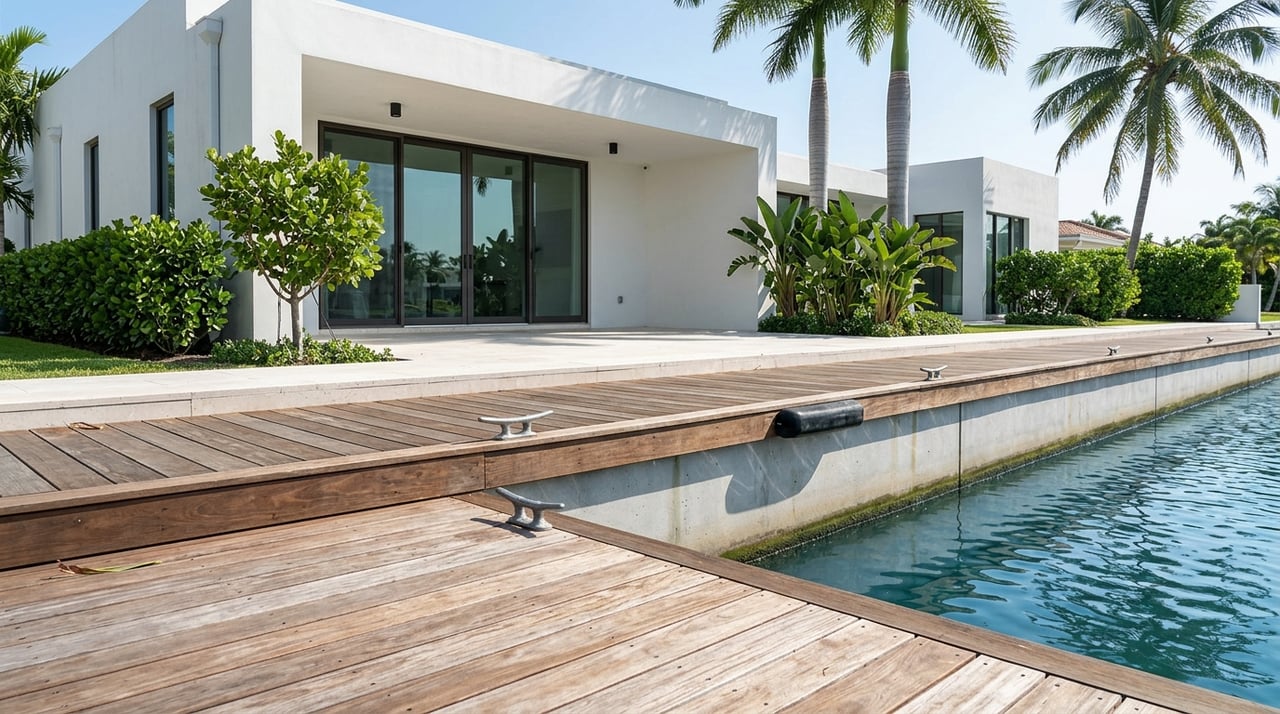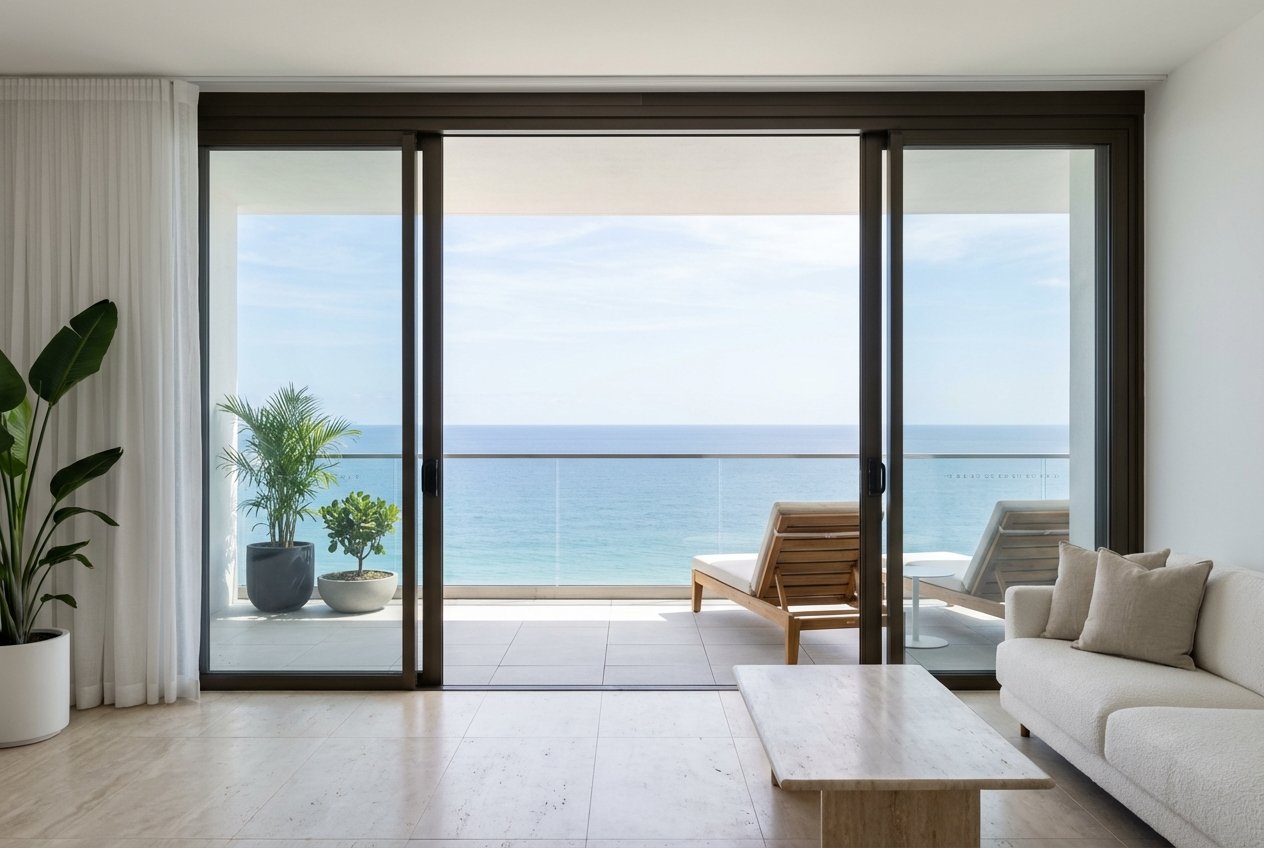
Imagine waking up to the Atlantic outside your terrace, coffee in hand, and zero yard work on your to-do list. If you are weighing a Sunny Isles Beach oceanfront condo as your personal retreat, you are not alone. The corridor is packed with modern, amenity-rich towers that make second-home living feel effortless. In this guide, you will learn what to expect from the buildings, how rental rules work, what ownership really costs, and how to protect your investment before you buy. Let’s dive in.
Why Sunny Isles works for a retreat
Sunny Isles Beach sits on a slender barrier island in Miami-Dade, lined with tall, modern luxury towers along Collins Avenue. Many buildings are branded, service-forward, and designed for easy living. That setup is ideal if you want privacy, beach access, and resort-style amenities without running a household.
The buyer mix skews to second-home and international owners. That means more seasonal occupancy, stronger winter-spring activity, and a condo culture that understands part-time living. If you want a calm, turnkey base that still taps Miami’s energy, Sunny Isles checks the boxes.
If you are comparing nearby beach areas, think about tradeoffs. Miami Beach has a heavier tourist footprint and a wider mix of old and new buildings. Surfside and Bal Harbour read more boutique and quiet. Sunny Isles leans modern, tall, and amenity-heavy, which can be a plus for retreat living and services.
What you get in oceanfront towers
Typical layouts and sizes
Oceanfront luxury buildings often offer 1 to 5 bedroom floor plans with large terraces and floor-to-ceiling glass. As a reference point, the Jade Signature floor plans show a range from spacious one-bedrooms to multi-zone residences and dramatic penthouses. In many towers you will see one-bedrooms around 1,000 square feet or more and two to three bedrooms that span roughly 1,500 to 3,000 square feet or larger. Penthouses can run several thousand square feet with private rooftop spaces.
Resort-level amenities that elevate downtime
The draw for a retreat buyer is simple. You want easy living and services that help you relax the moment you arrive. Expect features like private or semi-private elevators, multiple pools and spa programs, beach service, valet, and concierge. Some towers read like five-star resorts. You can scan the scope of offerings in the amenity list for Acqualina Residences as one example. A few buildings even push the envelope with special features, such as Porsche Design Tower’s in-unit sky garage.
Keep in mind that bigger amenity packages often mean higher monthly assessments to cover staffing, maintenance, utilities for common areas, and beach operations.
Personal use or seasonal renting? Pick your lens
Before you shortlist buildings, decide how you plan to use the condo. Your answer shapes the right buildings, the rules you must follow, and your costs.
Retreat first: prioritize quiet, privacy, and services
If this is a true getaway, focus on privacy and services. Look for buildings with strong concierge operations, beach setups, and direct elevator-to-unit access. Walk the common areas to get a feel for crowd levels. Ask about seasonal patterns, since winter can be busier in South Florida. A building that stays calm during peak season may be worth a premium if tranquility is your top filter.
Seasonal renting: know the rules and taxes
If you plan to rent when you are not in residence, there are three layers to understand:
- Condo rules come first. Minimum lease terms, guest registrations, and frequency limits live in the condominium declaration and bylaws. Review them with your agent or attorney. You can reference the Florida Condominium Act, Chapter 718 for how associations regulate rentals and disclosures.
- City license is required in Sunny Isles for short stays. Before you advertise any rental of six months or less, you must obtain a Sunny Isles’ Short-Term Vacation Rental License. The city enforces occupancy, responsible-party, and contact requirements.
- Taxes apply to transient rentals. Short stays are subject to state sales tax and Miami-Dade transient levies. Platforms may collect some taxes for you, but owners remain responsible for registration and filings where needed. Review Florida’s local option and transient tax overview and confirm the exact rate for your unit’s location and booking channel.
Ownership costs and risk to budget for
Monthly assessments and what they include
In oceanfront luxury towers, monthly condo fees usually cover common-area maintenance, concierge and security staffing, building insurance for common elements, reserve contributions, and operations for amenities like pools and beach services. Elevated services and a harsh salt-air environment mean higher carrying costs than inland condos. Always request the line-item budget so you know exactly what is covered.
New inspection and reserve rules in Florida
Florida requires milestone structural inspections and a Structural Integrity Reserve Study for many multi-story condo buildings. Associations also face stricter rules on reserve funding, and certain reserves can no longer be waived. These changes aim to keep buildings safe, but they can lead to higher budgets or special assessments if a property is behind on maintenance. Ask for the building’s latest reports and reserve balances, and review the Florida Condominium Act, Chapter 718 for the current framework. You can also check timelines in the Miami-Dade Building Recertification portal.
Insurance, deductibles, and flood exposure
Oceanfront means weather and water risks that you should price in. Association master policies often carry large hurricane or windstorm deductibles that can be shared among owners after a covered loss. Unit owners should carry an HO-6 condo policy with loss-assessment coverage. This primer breaks down what an association master policy covers versus your HO-6 policy. Flood is a separate risk and usually required by lenders. To understand a property’s flood profile and elevation, use the FEMA Flood Map Service Center and request the building’s elevation certificate.
Due diligence checklist for Sunny Isles condos
Ask the seller and association for these items before you remove contingencies. A strong packet helps you avoid surprise assessments and rental roadblocks.
- Resale or estoppel certificate that shows current assessments and any pending special assessments.
- Budgets and audited financials for the past two to three years, plus the latest reserve study or SIRS and current reserve bank balance.
- Insurance declaration pages for the master policy, including per-loss deductibles for wind, hurricane, and flood, and policy limits.
- Board meeting minutes for the last 12 to 24 months to spot upcoming projects, disputes, and vendor changes.
- Any milestone inspection or structural report, with timelines and contracts for repairs if phase-two work is planned.
- The written condo rental policy that covers minimum lease terms, frequency limits, and penalties for violations.
- Flood zone details and the building’s elevation certificate, plus whether the association carries flood coverage.
- Parking and storage entitlements for the unit, whether they are deeded or assigned, and any transfer rules.
How to compare buildings and narrow your list
Use these filters to make an apples-to-apples comparison:
- Reserves and projects. Check the reserve funded ratio and any upcoming capital projects like facade work, balcony repairs, or elevator modernization.
- Insurance posture. Look for unusually high deductibles or a history of claims that could affect future premiums.
- Litigation and code issues. Active litigation or open violations can hurt financing and resale.
- On-site operations. Evaluate 24/7 staffing, vendor contracts for beach or pool management, and the responsiveness of property management.
- Rental management terms. If you will rent seasonally, understand listing rules, guest registration, and any caps on rentable units.
Bring a Sunny Isles specialist agent, a condo attorney, and when needed an independent engineer into your review. They can help interpret the association’s documents, confirm city licensing steps, and frame any risk against your goals.
Next steps for a confident purchase
- Clarify your use case. Decide if you are retreat-first, rental-forward, or a hybrid, then target buildings that match your lens.
- Line up the rental path. If you plan short-term renting, confirm the condo’s minimum lease terms, apply for the city license, and map out tax filings.
- Pull the full association packet. Review reserves, inspections, insurance, and minutes before you fall in love with the view.
Ready to explore oceanfront options that fit your lifestyle and budget? Reach out to Jamie Moody for a tailored shortlist and a due diligence game plan.
FAQs
What are Sunny Isles short-term rental rules for condo owners?
- For any rental of six months or less, you must obtain a city Short-Term Vacation Rental License and follow local occupancy and contact requirements. Association rules may impose longer minimum lease terms, so review the condo documents first.
How do HOA fees work in luxury Sunny Isles oceanfront towers?
- Monthly assessments typically cover common-area maintenance, staffing like concierge and security, building insurance for common elements, reserve contributions, and operations for amenities such as pools and beach services. Expect higher fees in amenity-heavy oceanfront buildings.
What inspections and reserves should I ask about before buying a Sunny Isles condo?
- Request the latest milestone inspection report and the Structural Integrity Reserve Study, along with current reserve balances and any planned remediation. Florida’s Chapter 718 sets the framework, and Miami-Dade’s recertification portal outlines local timelines.
What insurance should a Sunny Isles condo owner carry, and what risks matter most?
- You should carry an HO-6 condo policy with loss-assessment coverage. Verify the association’s master policy limits and hurricane or wind deductibles, and confirm flood coverage. Flood risk is separate and often requires its own policy.
How do I check flood risk for an oceanfront condo in Sunny Isles?
- Look up the property’s designation on the FEMA Flood Map Service Center, then request the building’s elevation certificate and ask the association whether it carries flood insurance for the structure.