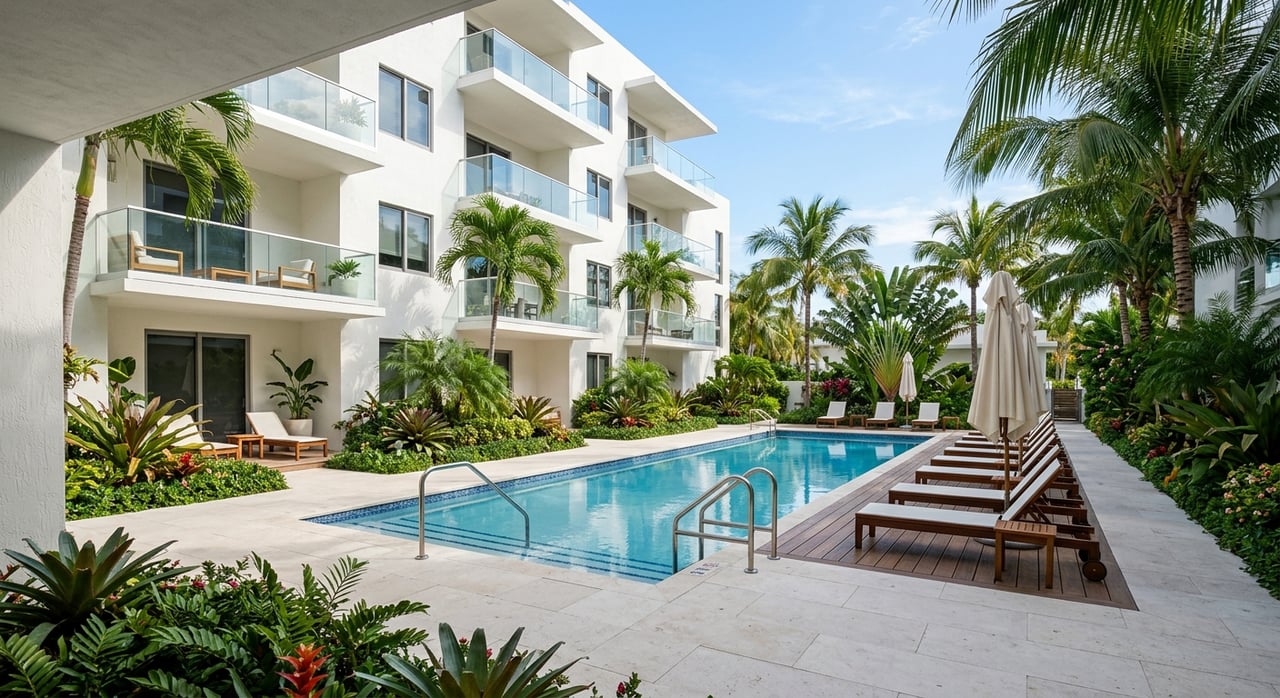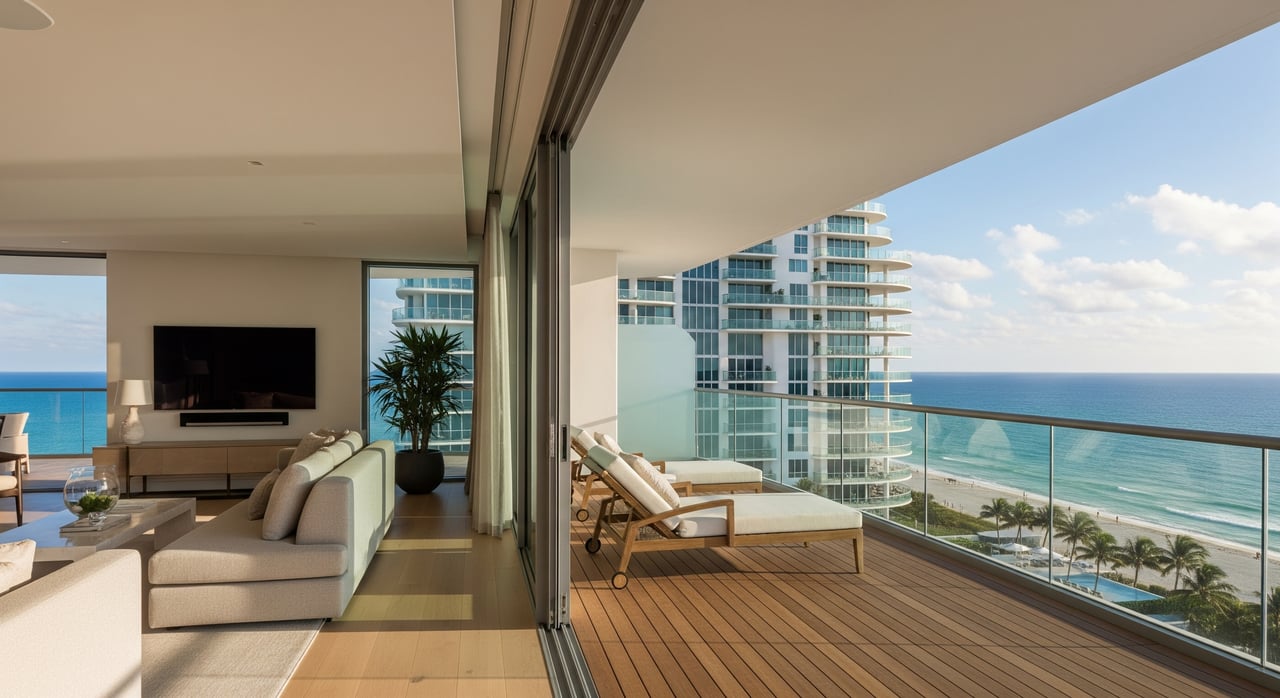
Buying a condo in Sunny Isles Beach should feel exciting, not uncertain. Yet many buyers worry about reserves, special assessments, and the true cost of high-rise living near the ocean. You want a clear picture before you commit. This guide explains Florida’s condo reserve rules, how they show up in real numbers for a building, and the key steps to protect your investment in Sunny Isles. Let’s dive in.
Florida condo reserves at a glance
Reserves are funds a condo association sets aside for big-ticket repairs and long-term maintenance. Think roofs, elevators, waterproofing, concrete restoration, pool decks, and structural work. Adequate reserves reduce the risk of surprise special assessments and help keep the building healthy over time.
Under the Florida Condominium Act, associations must budget for capital expenditures and deferred maintenance. You can review these requirements in the Florida Condominium Act (Chapter 718) and consumer resources from the DBPR Division of Condominiums. In practice, you will see reserve line items in the association’s annual budget and financial statements.
How reserves show up in your purchase
- Your resale certificate should include the current budget, reserve balances, and any known or pending special assessments.
- Monthly condo fees often include a reserve contribution. This is how buildings fund future projects without sudden assessments.
- If reserves are short, boards may levy special assessments or borrow. That affects your out-of-pocket costs after closing.
Post‑Surfside realities in Miami‑Dade
The Surfside tragedy led to more scrutiny of structural safety and financial planning across Florida. While specifics continue to evolve, building inspections and transparent budgeting are in sharper focus.
Miami‑Dade’s building recertification program requires structural and electrical recertification at 40 years and then every 10 years for applicable buildings. You can learn about recertification on the Miami‑Dade County Building Department site. Sunny Isles is a separate municipality on a barrier island with many high‑rise condos, so waterproofing, salt‑air corrosion, and envelope maintenance are high priorities. Check project timelines or permitting on the City of Sunny Isles Beach site.
Reserve studies and best practices
Florida law does not mandate a single standard for reserve studies, but many associations commission professional studies every 1 to 5 years. The Community Associations Institute shares best‑practice guidance on reserve studies and funding models. Ask when the last study was completed and whether the board is following the recommended plan.
Why reserves matter to you
- They influence your monthly fees. Healthy reserves are a sign of proactive planning, not waste.
- They affect special assessment risk. Low balances can lead to big owner assessments when major projects hit.
- They can impact financing and resale. Lenders review financial stability, reserve levels, and litigation history when approving loans or projects.
Sunny Isles buyer checklist
Use this list during your inspection and document review windows. Most of these items should be in the resale package or available on request.
- Current year budget and the last 2 to 3 years of budgets
- Most recent financial statements and any CPA review or audit
- Current reserve balance and the latest reserve study, including assumptions and funding plan
- Declaration, bylaws, and rules, with attention to special assessment authority and reserve requirements
- Resale certificate with disclosures on assessments, litigation, and financial obligations
- Board meeting minutes from the last 12 to 24 months for project and dispute history
- Master insurance policy declarations page, including windstorm and hurricane deductibles
- Engineering and structural reports, including any 40‑year recertification reports
- List of planned capital projects for the next 5 to 10 years, with estimated costs
Key questions to ask the association
- What is the current reserve balance and what percentage of the recommended level is funded?
- When was the last reserve study completed and by whom? What is the funding plan?
- Are capital projects planned in the next 24 months, and are any special assessments pending?
- Has the association borrowed from reserves or pledged them as collateral?
- Are there structural or envelope repairs required, under study, or delayed?
- What is the special assessment history over the last 10 years?
- Are there pending claims or litigation related to structural issues or water intrusion?
- What is the wind or hurricane deductible on the master policy, and how are deductibles handled?
- Is the building current on required inspections and recertifications?
Red flags to watch
- No recent reserve study, or a study older than 3 to 5 years in an older high‑rise
- Reserve balances materially below professional recommendations
- Repeated or large special assessments in recent years
- Ongoing litigation tied to structural defects, water intrusion, or contractor disputes
- Transfers from reserves to operating accounts or borrowing against reserves
- Very high windstorm deductibles without a funding plan for potential losses
Insurance and coastal exposure
In coastal Miami‑Dade, insurance costs and deductibles can be significant. Large deductibles or reduced coverage may require bigger reserves or owner assessments after a storm. Review the master policy closely. Confirm coverage scope, valuation approach, and deductible amounts, and ask how the association plans to fund deductibles if a storm hits.
Your due‑diligence timeline
- Get the resale certificate early. It is your primary snapshot of the association’s financial condition, special assessments, and litigation disclosures. The DBPR Division of Condominiums provides guidance on resale disclosures and timelines.
- Review budgets, financials, reserve study, and inspection reports within your contract contingencies.
- For older towers or any building with red flags, engage a real estate attorney, a lender familiar with condos, and if needed, a structural engineer or reserve consultant.
Financing and future resale
Mortgage underwriters and some government programs evaluate reserve adequacy and litigation risk at the project level. If you need FHA or VA financing, confirm condo project eligibility early. Strong reserves and clear inspection history can support smoother financing and better resale appeal.
Move forward with confidence
Buying in Sunny Isles can be a smart, lifestyle-forward move when you understand the building’s financial and structural picture. Focus on reserves, inspection history, and insurance so you can buy with clarity and plan with confidence. If you want a seasoned partner to help you navigate documents, ask the right questions, and negotiate timelines, reach out to Unknown Company. We are here to help you move with certainty.
FAQs
What are condo reserves in Florida?
- Reserves are association funds set aside for capital projects and deferred maintenance, budgeted under the Florida Condominium Act and disclosed in association financials.
What should I review before buying a Sunny Isles condo?
- Prioritize the budget, financials, reserve study, resale certificate, inspection and recertification reports, insurance details, meeting minutes, and planned project schedules.
How did Surfside impact reserve planning?
- It prompted tighter focus on structural safety, recertification, and financial transparency, especially in high‑rise coastal buildings across Miami‑Dade.
What is Miami‑Dade’s building recertification?
- Many buildings must complete structural and electrical recertification at 40 years and every 10 years after; confirm details with the Miami‑Dade Building Department.
Why does the master insurance policy matter to buyers?
- Coverage scope and hurricane deductibles influence risk of special assessments and whether reserves can handle uninsured or deductible costs after a storm.
Who can help me review condo documents?
- Consider a real estate attorney familiar with Florida condos, a lender experienced with condo projects, and as needed a structural engineer or reserve funding specialist.