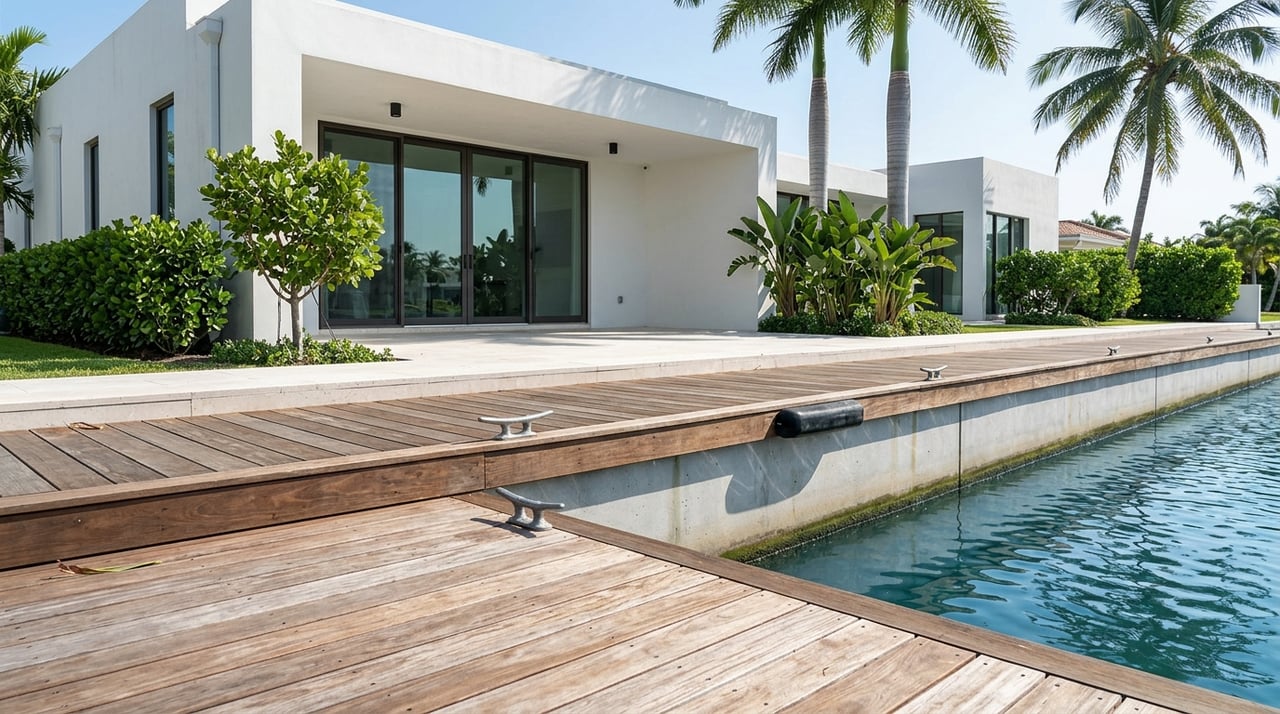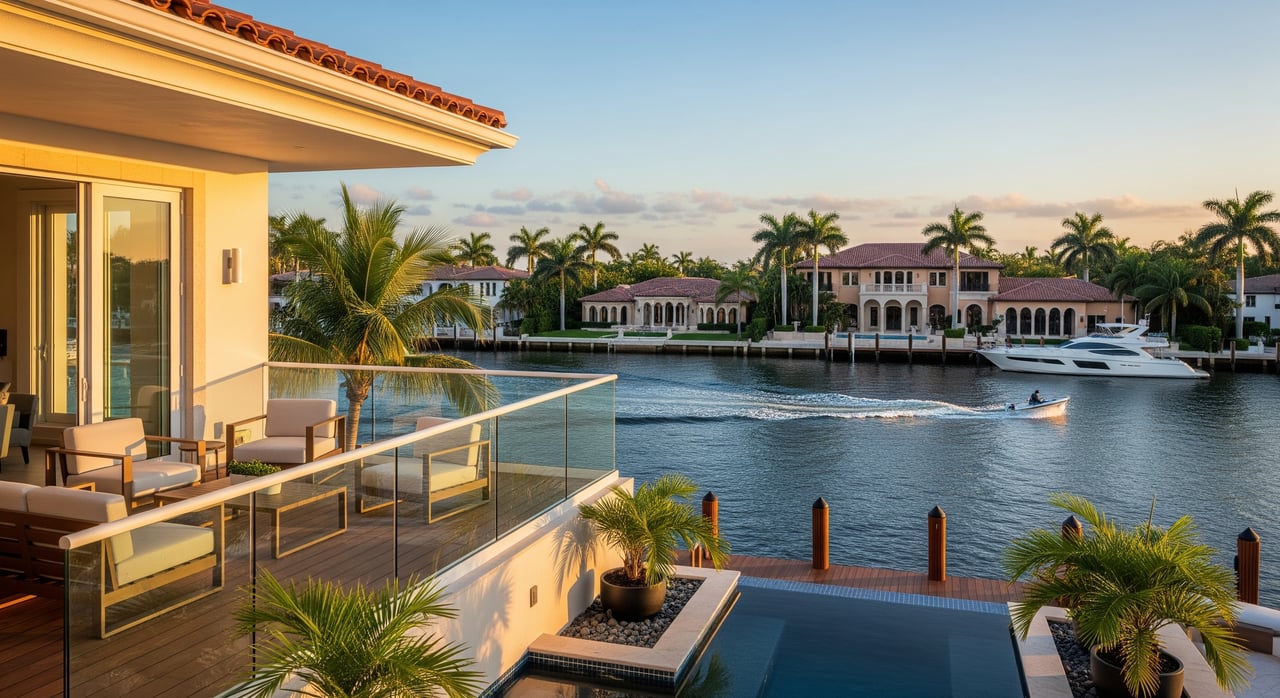
Thinking about a West Palm Beach condo with water views or a single-family home with a backyard and privacy? You are not alone. Choosing between a condo and a house here touches budget, insurance, maintenance, lifestyle, and future resale. This guide breaks down the pros and cons with local context, practical checklists, and key questions to ask, so you can move forward with confidence. Let’s dive in.
Market context in West Palm Beach
Downtown areas near Clematis, CityPlace, and Grandview lean condo, offering walkability, shared amenities, and lock-and-leave convenience. Single-family homes cluster in neighborhoods like El Cid, Flamingo Park, Southland Park, and North of Southern, with more space and privacy.
Condos often offer a lower entry price than houses in the same submarket, but premium waterfront or luxury buildings can equal or exceed single-family prices. Availability, days on market, and buyer demand shift by neighborhood and season, so pull current figures from Florida Realtors and the local MLS before you decide.
Typical condo buyers include downsizers, seasonal residents, and investors, subject to association rules. House buyers often want yard space, privacy, and flexibility for renovations or additions. Both options can work for full-time and part-time living, as long as the costs and rules fit your plan.
Up-front and ongoing costs
Purchase price and taxes
Entry pricing varies by building or neighborhood. For taxes, check assessed value, millage, and exemptions with the Palm Beach County Property Appraiser and the Palm Beach County Tax Collector. Your tax bill depends on assessed value and local millage rates, which vary by municipality and district.
Association fees and special assessments
- Condos: Monthly dues typically cover exterior maintenance, shared amenities, landscaping, sometimes basic utilities and master building insurance as defined in the documents. Fees vary widely by age, amenities, and claims history. Ask about reserve funding, recent increases, and any planned capital projects. Special assessments can raise costs if reserves are low.
- Houses: If there is no HOA, you manage all maintenance and insurance directly. If there is an HOA, dues usually cover shared areas and standards, not your home’s roof, exterior, or systems.
Insurance differences
- Condo unit owners usually carry HO-6 insurance for interior finishes, personal property, and liability. The association’s master policy covers the building envelope per its bylaws. Read the insurance declarations to understand where the master policy ends and your HO-6 begins.
- Single-family owners typically carry dwelling coverage, often HO-3 or similar, covering structure, contents, and liability.
- Flood and wind: West Palm Beach is hurricane-prone, and flood exposure varies by location. Lenders require flood insurance if the property lies in a Special Flood Hazard Area. Use the FEMA Flood Map Service Center to check flood zones, and consult the Florida Office of Insurance Regulation and Citizens Property Insurance Corporation for coverage context and market availability. Ask about wind mitigation features and deductible structures.
Maintenance and utilities
- Condo: Exterior and common-area upkeep is handled by the association. You handle interior maintenance and any unit-specific elements per the bylaws, which may include windows or balconies. Many buildings include water, trash, and common utilities in dues.
- House: You manage roof, exterior, yard, pool, pest control, and all utilities. Costs vary with age, size, and upgrades.
Financing and resale
Lenders often apply stricter underwriting to condos. Many require project approval that reviews occupancy ratios, reserve funding, litigation, insurance, and any commercial space. This can influence loan availability and rates. Check conventional guidelines with Fannie Mae’s condo project resources and FHA condo eligibility on the HUD approval list. Not all buildings are FHA or VA approved.
For resale, buyer pools and days on market vary by neighborhood and price tier. Condo appreciation can depend on building condition and association health, while houses can reflect land value and renovation potential. Rental rules matter for investor demand; confirm policies before you buy.
Lifestyle and amenities
Space and privacy
Single-family homes generally offer more interior space, yard area, and privacy. Condos trade private space for access to common amenities and convenience, often in highly walkable locations.
Walkability and transit
Downtown condos near Clematis and CityPlace make it easy to walk to dining, entertainment, and waterfront paths, with regional transit connections nearby. Inland single-family neighborhoods often require more driving, though you can explore Palm Tran or Tri-Rail options if commuting.
Parking and storage
Condos typically offer assigned or garage parking with guest rules and limited storage. Houses often feature a driveway and garage with more space for gear.
Pets and household needs
Condo associations may restrict pet type, number, and size. Houses usually provide more flexibility. If schools are important, verify current assignments directly with the Palm Beach County School District; boundaries can change.
Rentals and short-term stays
Many associations restrict or prohibit short-term rentals. The City of West Palm Beach also regulates transient rentals and licensing. Review the city’s guidance on the official website and confirm condo bylaws before relying on rental income.
Risks and regulations to know
Flood and hurricane risk
Confirm flood zones with FEMA maps and discuss elevation and storm history with your inspector. Consider wind mitigation features that can influence premiums. Coastal and Intracoastal areas often carry higher wind and flood risk, which can affect long-term costs and resale.
Building age and reserves in condos
Request association documents, including recent budgets, reserve studies, insurance declarations, meeting minutes, and any engineer reports. Florida has raised scrutiny on condo safety and reserves, which can lead to needed capital projects or assessments. Resources from the Community Associations Institute can help you understand governance and reserve standards.
Governance and rules
Read the declaration, bylaws, rules, and financials. Focus on rental limits, pet rules, special assessment history, insurance obligations, and owner delinquency rates. For litigation or recorded documents, check the Palm Beach County Clerk and county records.
Title, easements, and historic overlays
For houses, verify any easements or deed restrictions. Some neighborhoods have historic preservation rules that affect exterior modifications. Your title company and the city can guide what applies to your address.
Quick checklists: condo vs house
Condo buyer checklist
- Request the full association packet: budget, reserves, insurance declarations, meeting minutes, and any engineer or reserve study.
- Confirm rental, pet, renovation, parking, and guest policies.
- Clarify master policy coverage versus your HO-6 obligations.
- Ask about past and pending special assessments and capital projects.
- Verify flood zone with FEMA maps and get insurance quotes.
- Confirm financing options, including project approval and FHA/VA status.
- Review building age, elevator and roof reports, and maintenance plan.
Single-family buyer checklist
- Confirm roof, HVAC, plumbing, electrical, windows, and storm protection age and permits.
- Check elevation and flood zone, and obtain insurance quotes for wind and flood.
- Assess yard, pool, irrigation, and pest prevention costs.
- Review any HOA documents if applicable.
- Verify title, easements, historic rules, and planned improvements.
Questions to ask before you buy
For condos
- What is the current reserve balance and funding plan?
- What projects are planned and how will they be paid for?
- What is the delinquency rate and any pending litigation?
- How many units are investor owned, and what are rental minimums?
- Is the building adequately insured, and what are deductibles?
For houses
- What upgrades or mitigation features are installed, and when?
- Are there transferable warranties or permits for major systems?
- What are typical monthly utilities and yard or pool costs?
- Are there any open permits or code issues with the city?
How to compare total cost
Build a 5 to 10 year view that includes purchase price, closing costs, property taxes, association dues if any, insurance for wind and flood, utilities, and maintenance or reserves. Use the Palm Beach County Property Appraiser and Tax Collector for tax details, the Florida Office of Insurance Regulation and Citizens Property Insurance Corporation for insurance context, and your lender for condo project requirements via Fannie Mae guidance. This approach helps you see beyond the list price to the real monthly and long-term commitment.
Next steps
- Pull current neighborhood pricing and inventory from Florida Realtors and the local MLS.
- Check flood zones and elevation through FEMA’s map center.
- Get written quotes for HO-6 or HO-3, plus wind and flood coverage.
- For condos, request the full association packet early and review it with your lender and insurance agent.
- Confirm rental rules and any city licensing on the City of West Palm Beach site.
When you are ready to compare specific buildings or neighborhoods, you deserve a local, boutique advisor who will put the numbers and the lifestyle in focus. Reach out to Jamie Moody to discuss your goals and shortlist the right options.
FAQs
Which option is cheaper long term in West Palm Beach?
- It depends on your address, association dues, insurance for wind and flood, taxes, and maintenance; build a 5 to 10 year cost view with quotes and county tax data before deciding.
How much are HOA or condo fees in West Palm Beach?
- Fees vary widely by building age, amenities, and insurance history; review current listings and the association budget, and ask about reserves and planned projects.
Do West Palm Beach condos require flood insurance?
- Lenders require flood insurance if the building is in a FEMA Special Flood Hazard Area; check the address on FEMA maps and confirm what the master policy covers versus your HO-6.
Are condos harder to finance in West Palm Beach?
- Often yes; many lenders need condo project approval and may not lend if reserves, insurance, or occupancy ratios fall short, so confirm with a lender who does condo financing.
Can I rent my West Palm Beach condo short term?
- It depends on the association bylaws and city rules; verify the condo’s rental policy and review city guidance and any licensing requirements before buying.
What inspections should I get for a condo?
- Get a standard interior inspection, then review association budgets, reserves, insurance declarations, meeting minutes, and any structural or engineer reports for the building.
How do hurricanes affect insurance and resale?
- Hurricane exposure can raise premiums and deductibles; properties with mitigation features and newer construction standards may have better insurance profiles and buyer appeal.